
BCM-95® Curcumin Benefits: Evidence, Dosage Windows & Who It’s For (2026)
Affiliate Disclosure: This page contains affiliate links. We may earn a small commission at no extra cost to you if you purchase through our links. See our full affiliate disclosure.
BCM-95® delivers curcumin’s core anti-inflammatory benefits at ~7× higher free plasma levels than standard extract (PMID 20046768) — no piperine required. Evidence-backed applications: inflammation modulation, joint health, exercise recovery, brain support, and antioxidant protection. Best product: Terry Naturally CuraMed 750mg. Compare all options: Best BCM-95® Supplements.
Midlife hits differently. Joints that once whispered now complain out loud. Workouts leave a deeper ache. Focus can feel like it’s just out of reach. If turmeric has been your go-to spice for resilience, you’ve probably also felt its limits: most curcumin—the active compound in turmeric—barely makes it past your gut. BCM‑95® is where that changes. It’s a next‑generation, 100% turmeric‑derived formulation engineered to deliver far more free curcumin (the active form your cells can actually use). Below, we map the strongest evidence for BCM‑95® benefits, how to dose, when to expect results, and who’s most likely to feel a meaningful difference.
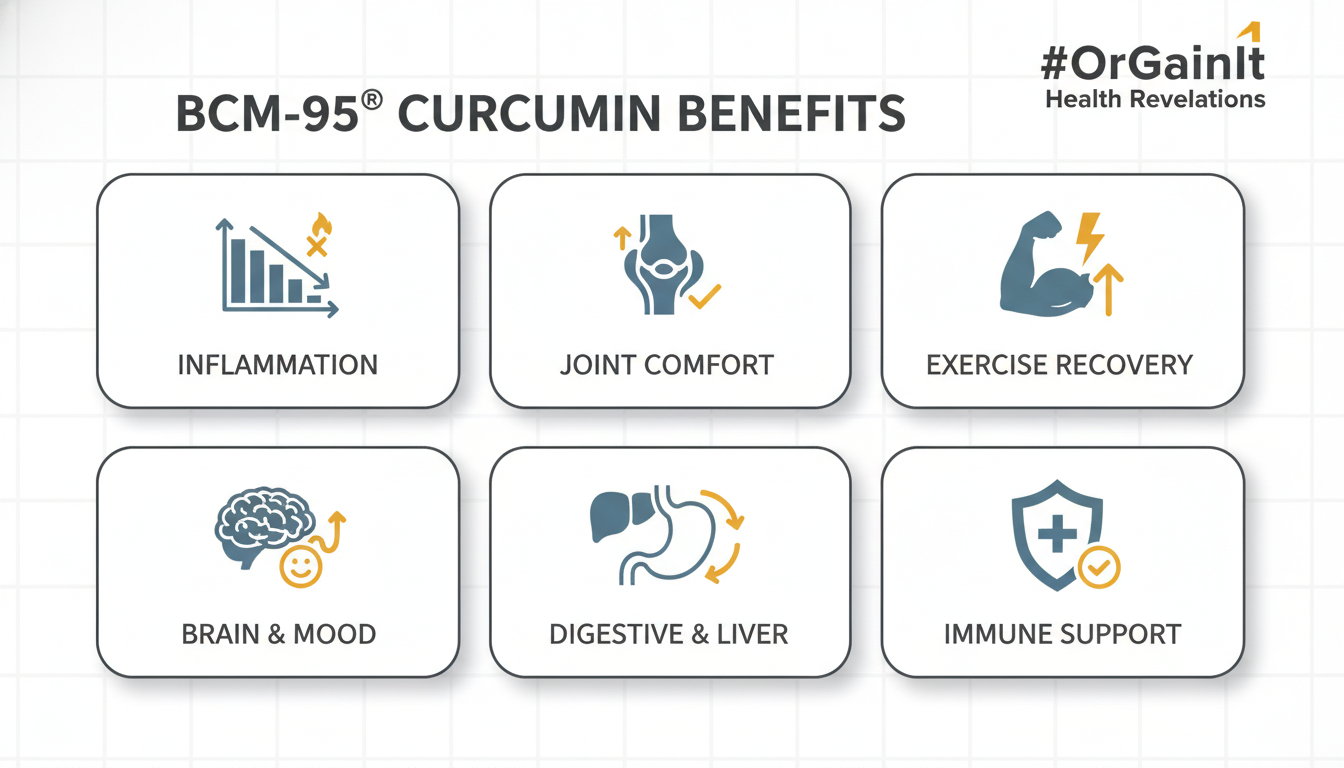
Why BCM‑95® Changes the Benefits Story
Curcumin’s potential is well documented, but standard extracts suffer from poor absorption and rapid metabolism. BCM‑95® (also known as Curcugreen®) recombines purified curcuminoids with turmeric’s own essential oils—especially ar‑turmerone—to protect curcumin from rapid breakdown and support absorption of free curcumin into the bloodstream. Human data consistently shows ~7× higher bioavailability (PMID 20046768) vs. regular 95% curcumin and longer plasma retention (often 8–10 hours). In plain terms: more active curcumin where it matters, for long enough to matter.
For the fundamentals of the formulation, see our primer: What is BCM‑95® Curcumin? For how BCM‑95® compares with other enhanced systems, read our deep dives on Meriva and Longvida.
Evidence Snapshot: Where BCM‑95® Shows the Strongest Benefits
1) Inflammation Modulation and Oxidative Stress
Modern life keeps many of us in a low-grade inflammatory state—sedentary hours, ultraprocessed food, underslept nights. Curcumin targets upstream “master switches” like NF‑κB and downshifts inflammatory messengers (e.g., TNF‑α, IL‑6) while supporting antioxidant defenses (SOD, catalase, glutathione). The unique advantage with BCM‑95® is that free curcumin circulates longer and reaches meaningful levels, improving the odds that these pathways are engaged in real life, not just on paper.
- What users feel: fewer “background” aches, calmer flare‑ups, easier mornings, more resilient energy.
- Lifestyle synergy: BCM‑95® pairs exceptionally well with a 10–15 minute daily walk after meals, 25–35 g daily fiber, and 7–8 hours of sleep—stacking small wins for a noticeable effect.
- Learn more: our guide to turmeric for inflammation and the latest research.
2) Joint Health and Comfort (Knee, Hand, General OA)
Joint discomfort is where curcumin has earned its grassroots reputation. Studies using BCM‑95® often report improvements across WOMAC domains—pain, stiffness, and physical function—over 8–12 weeks. Unlike fast-numbing approaches, the progress is more like a dimmer switch than a light switch: subtle at first, then obviously “easier” by weeks 6–8.
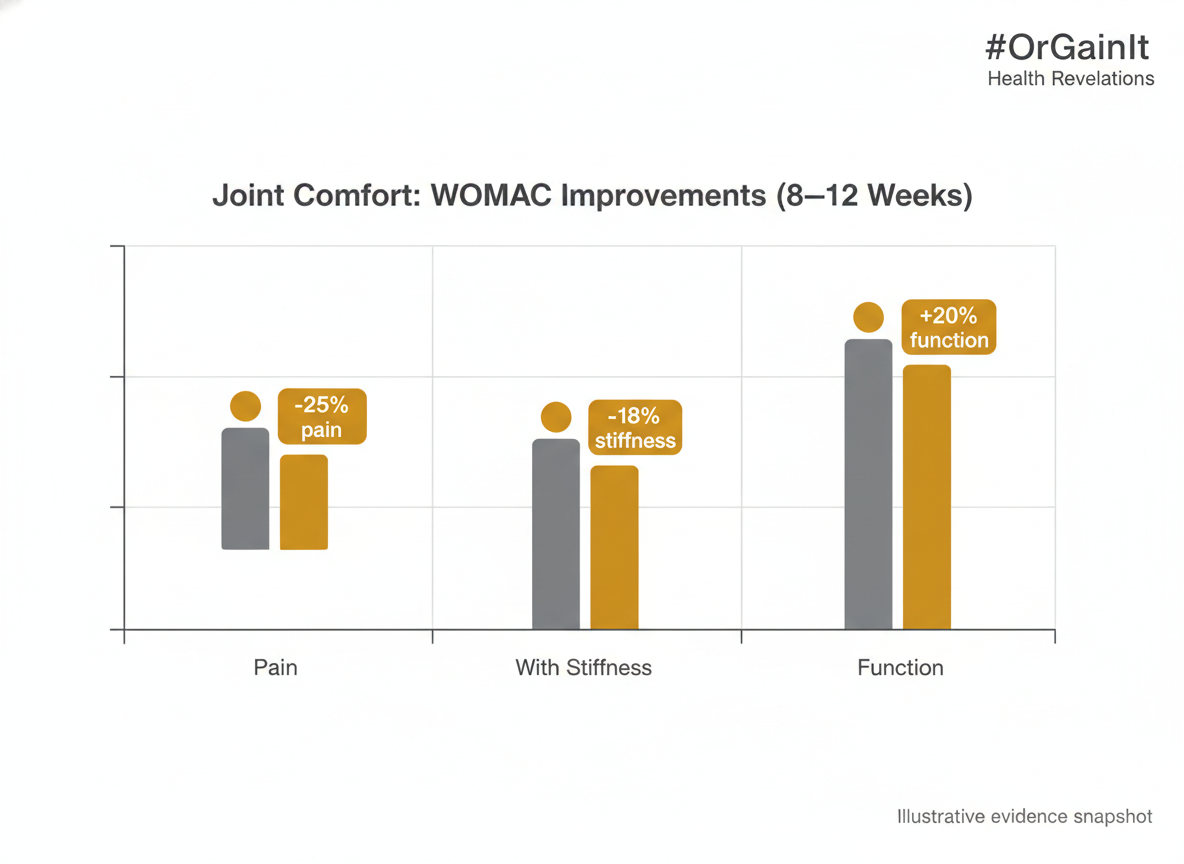
- Practical signal: mornings are smoother; stairs less daunting; the “payback” after activity shortens.
- Progress timeline: small changes around weeks 2–4; clear wins weeks 6–8; peak response by week 12 for some.
- Adherence tips: set a daily reminder, keep the bottle where you take breakfast, and retest every 4 weeks with a simple 0–10 stiffness/pain score.
- Cross‑read: curcumin’s role in managing chronic pain.
3) Exercise Recovery and Athletic Use
From masters athletes to weekend warriors, recovery is the hidden training variable. BCM‑95® has shown reductions in delayed‑onset muscle soreness (DOMS) and in inflammatory markers like CRP and CK after hard sessions. In practice, that can mean steadier weekly training and fewer “costly” sessions that derail the next two days.
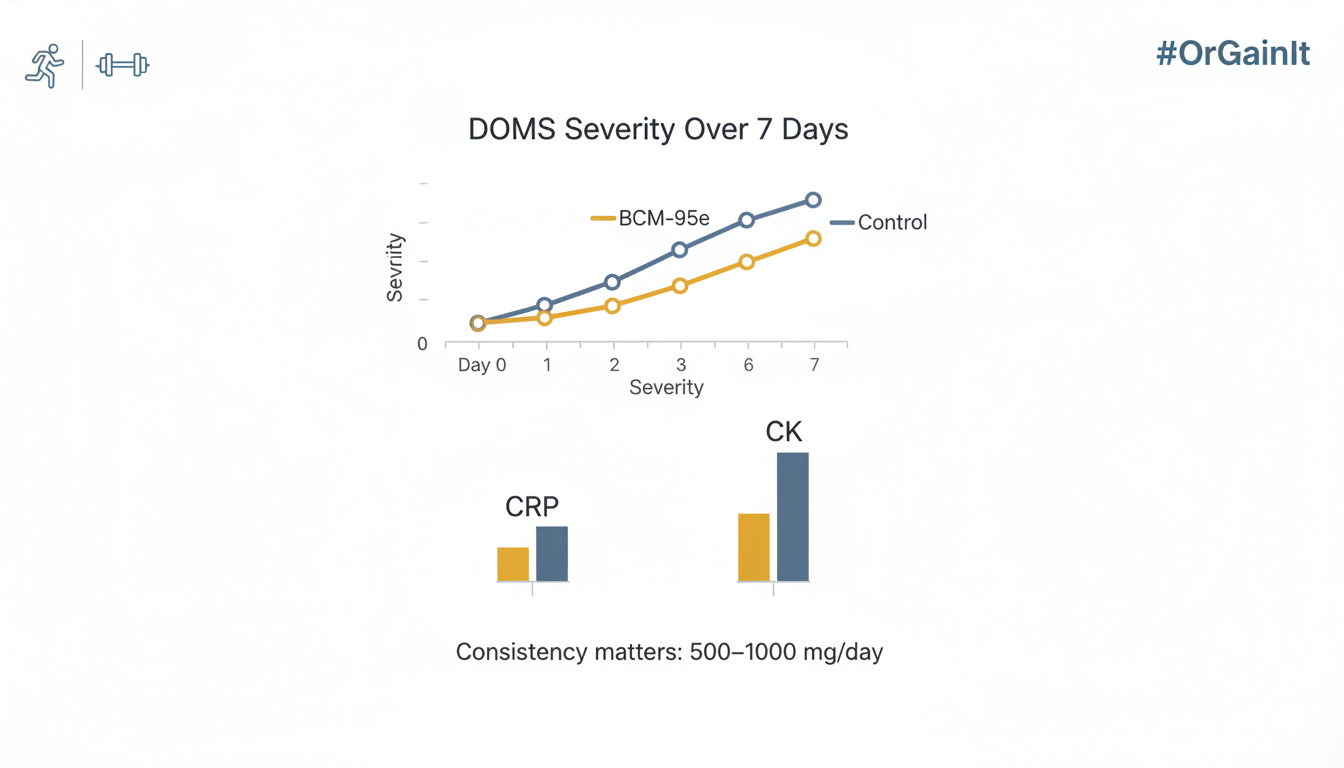
- Use protocols:
- Base phase: 500 mg daily; bump to 1,000 mg during volume spikes.
- Intensity blocks: 1,000 mg split AM/PM on hard days; 500 mg on easy days.
- Post‑injury rebuild: daily 1,000 mg for 2–4 weeks, then reassess stiffness and tolerance.
- Best fit: masters athletes, high‑volume trainees, and anyone balancing training with work/family load.
4) Brain Health and Mood
Inflammation doesn’t stop at the neck. Curcumin reaches the brain and can help calm neuroinflammatory signaling. Some trials suggest adjunct improvements in mood and cognitive clarity, potentially via BDNF‑linked plasticity and a steadier HPA‑axis response to stress. In daily life, many report less “mental friction,” slightly better recall, and a more even keel on demanding days.
- Who notices: midlife professionals, high‑stress caregivers, athletes under load, and anyone with “tired but wired” evenings.
- Support habits: 20–30 minutes of daylight exposure, a consistent bedtime, and a modest magnesium intake amplify the signal.
- Explore: turmeric for brain health and turmeric for depression.
5) Digestive and Liver Support
Curcumin supports bile flow and a healthy inflammatory tone in the GI tract, which helps explain why some people feel calmer digestion and better “post‑meal feel.” Users often describe less heaviness after richer meals and more predictable regularity when curcumin is combined with fiber and hydration.
- Read next: turmeric for digestive health and turmeric and liver health.
- Safety note: those with gallbladder concerns should consult a clinician; see side effects of turmeric.
6) Immune Support and Resilience
Because inflammatory balance underpins immune performance, many users report steadier resilience during high‑stress seasons. The effect is supportive, not stimulatory—closer to removing “grit” from the system than flipping a switch. Lifestyle remains the foundation: sleep, protein, and movement.
- Further reading: turmeric and the immune system and turmeric news.
7) Cardiometabolic Markers
Meta‑analytic signals point to favorable shifts in triglycerides, non‑HDL cholesterol, fasting glucose, and hs‑CRP in select populations using curcumin. BCM‑95®’s edge is practical absorption at moderate doses, making adherence easier month after month. For many readers, the win is a small, meaningful nudge in the right direction—especially when paired with fiber, walking, and strength training.
- Context: supplements support the work, they don’t replace it. Think “assist,” not “shortcut.”
- Explore: turmeric for heart.
BCM‑95® vs. Common Alternatives (Quick Reference)
- Standard 95% Curcumin: Low absorption; requires high doses; more variability in results.
- Piperine (black pepper) combos: Better absorption but can inhibit drug‑metabolism pathways in some users. Consider your medication profile. For comparisons, see turmeric vs curcumin.
- Phospholipid systems (e.g., Meriva): Good GI tolerance; different delivery chemistry. Dive deeper on Meriva, Meriva Benefits, and Meriva Reviews.
- Solid‑lipid systems (e.g., Longvida): Brain‑targeting claims; distinct pharmacokinetics. See What is Longvida?
- Liposomal turmeric: Different delivery class; see what is liposomal turmeric and liposomal benefits.
Dosage Windows, Timing, and How to Take It
Typical BCM‑95® ranges: 500–1,000 mg daily total, often as 1×500–700 mg or 2×500 mg doses. Many see best results at the 1,000 mg ceiling for joint comfort and recovery, then taper to maintenance.
- With/without food: Slight advantage with a meal containing healthy fats; however, BCM‑95® is more forgiving than standard extracts.
- Consistency beats bolus: Daily is better than on‑off. Consider splitting AM/PM in heavy training or high‑inflammation phases.
- When results appear:
- Exercise soreness: 3–7 days for noticeable change.
- Joint comfort: 4–8 weeks; sometimes 12 weeks for maximal response.
- Mood/focus: 2–6 weeks, especially alongside sleep and stress work.
- Digestive comfort: often within 2–4 weeks if lifestyle is supportive.
Troubleshooting Guide
- No change by week 4: increase from 500 mg to 1,000 mg daily and add a post‑meal walk; reassess week 8.
- GI sensitivity: switch to with‑food, reduce to 500 mg for 1–2 weeks, then titrate back up.
- Multiple meds: consult your clinician; BCM‑95® avoids piperine but medical oversight is still key.
- Plateau after 3 months: consider a 2–3 week washout, then reintroduce at the lowest effective dose.
Who It’s For—and Who Should Be Cautious
- Best fit: adults 35+ with joint discomfort, active trainees managing soreness, knowledge workers under cognitive load, and anyone seeking broad inflammatory balance.
- Be cautious or consult: pregnancy/breastfeeding; gallbladder disease; upcoming surgery; those on anticoagulants, antiplatelets, or multiple medications. Review the side effects page and consult a clinician.
Featured Product (BCM‑95®): Life Extension Super Bio‑Curcumin
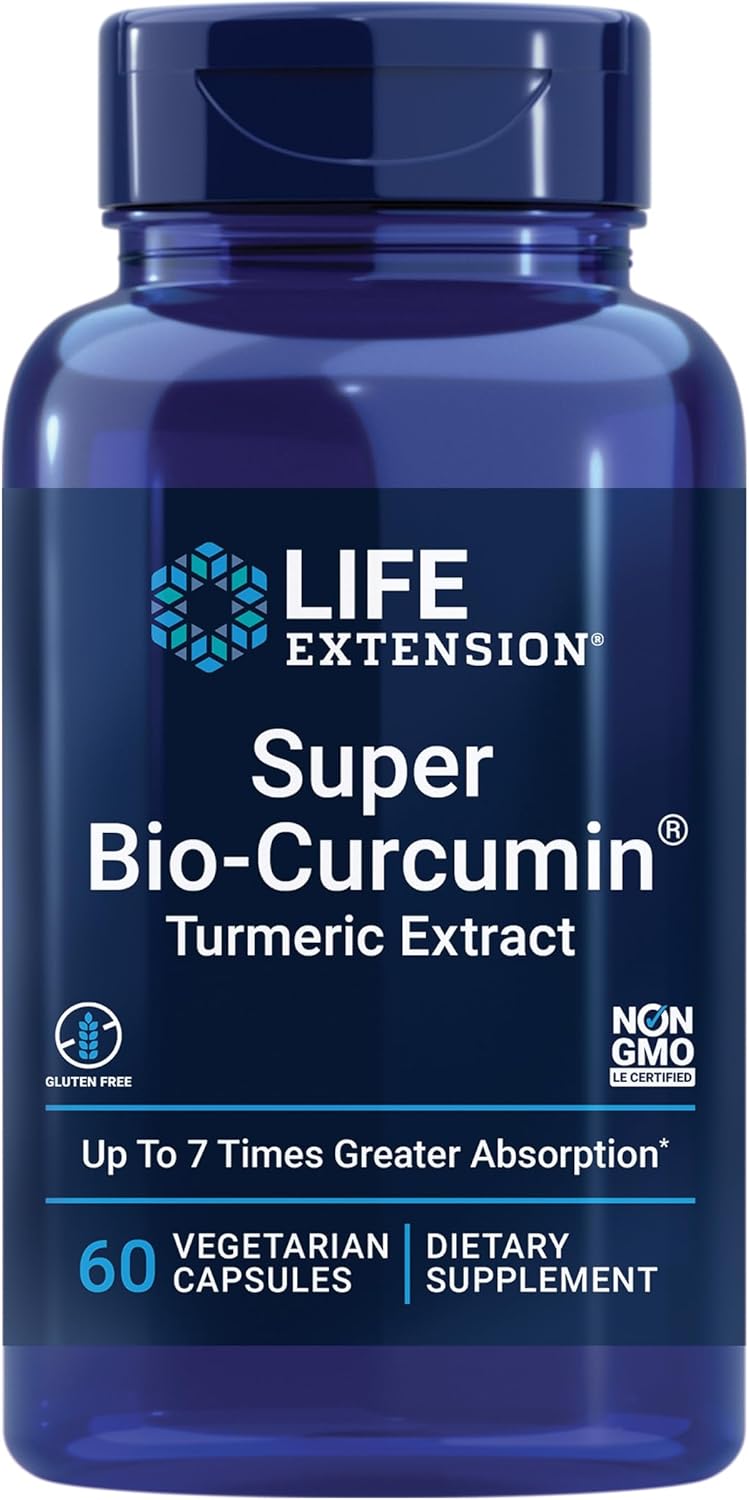
Life Extension Super Bio‑Curcumin (BCM‑95)
- Uses BCM‑95® for ~7× bioavailability vs. standard curcumin
- Clean, 100% turmeric‑derived delivery—no piperine
- Transparent quality standards from a trusted brand
How to Know It’s Working
Pick two primary outcomes and track them weekly for 8–12 weeks. Examples: morning joint stiffness (0–10), evening pain (0–10), next‑day DOMS after a familiar workout (0–10), or weekly training volume. Many people see steadier “good days,” easier starts in the morning, and reduced payback after effort.
Simple Tracking Template (copy/paste)
Week | AM Stiffness (0–10) | PM Pain (0–10) | DOMS Next Day (0–10) | Notes (sleep, stress, training)
-----|----------------------|----------------|-----------------------|---------------------------------
1    |                      |                |                       |
2    |                      |                |                       |
3    |                      |                |                       |
4    |                      |                |                       |
8    |                      |                |                       |
12   |                      |                |                       |
Related Reads to Build Your Turmeric IQ
- What is BCM‑95? (mechanism, origin, bioavailability)
- Turmeric for Pain
- Turmeric for Brain Health
- Turmeric for Digestive Health
- Turmeric for Inflammation
- How to Select a Turmeric Supplement
- Latest Research on Turmeric and Research Verified
- Curcumin systems compare: Meriva | Meriva Benefits | Meriva Reviews | Longvida
- Liposomal: What is Liposomal Turmeric | Benefits | Best Picks
FAQs
Which conditions show the strongest evidence?
Inflammation management, joint comfort (especially knee osteoarthritis), exercise recovery, and supportive roles in mood and cognitive clarity. Digestive and cardiometabolic markers also show encouraging signals, particularly with consistent use and lifestyle support.
When should I take BCM‑95® for best results?
Daily, ideally with a meal containing healthy fats. For training or pronounced inflammation, split dosing (AM/PM) can help maintain steadier blood levels. Consistency across weeks beats “as‑needed” dosing.
How long until I notice benefits?
Soreness and recovery: 3–7 days. Joint comfort: 4–8 weeks (sometimes 12). Mood/focus: 2–6 weeks. Digestion: often 2–4 weeks. Track 1–2 outcomes weekly to confirm progress and avoid “I think?” impressions.
Is BCM‑95® suitable for athletes?
Yes. Data suggest reduced DOMS and inflammatory markers, aiding training continuity. Best paired with adequate protein, sleep, hydration, and periodic deload weeks.
How do I know if it’s working?
Choose two metrics (e.g., morning stiffness, next‑day DOMS). Record scores weekly for 8–12 weeks. Look for steadier “good days,” easier start‑ups, and reduced payback after activity.
Why BCM‑95® instead of piperine blends?
BCM‑95® is 100% turmeric‑derived and doesn’t rely on piperine’s enzyme‑inhibition. For those on multiple medications, that can be a cleaner choice—though you should still consult your clinician.
Editorial note: We continually monitor clinical updates and product quality changes. For updates, see Turmeric Research Verified, turmeric news, and our latest news.
🔗 BCM-95® Resource Library
- Best BCM-95® Supplements (2026) — Full Rankings
- BCM-95® Reviews — Brand Deep-Dives
- What Is BCM-95®? Formulation Science Explained
- Terry Naturally CuraMed Review
- Progressive Labs BCM-95 Review
- Xandro Lab BCM-95 Review
- BCM-95® Dosage Guide
- BCM-95® Side Effects
- BCM-95® vs Regular Turmeric
- BCM-95® Research & Clinical Trials
Compare benefits across formulations: Meriva® Benefits | CurcuWin®
🔗 Rob’s curated picks — best curcumin for inflammation (Benable)
About the Author — Robert Lees
Robert has been researching curcumin formulations for 9+ years after a career-ending ankle injury. He holds no financial relationships with supplement manufacturers beyond the disclosed affiliate links on this site. All recommendations reflect independent evaluation of clinical evidence, supply chain transparency, and third-party certification. Robert is not a licensed medical professional — always consult your healthcare provider before starting any supplement.
Ready to Experience BCM-95® Benefits?
Our Gold Standard pick is Terry Naturally CuraMed 750mg — most clinically studied, consistent quality, clear labelling.
Medical Disclaimer: For educational purposes only. Consult a healthcare professional before starting any supplement.