CBD and Curcumin: The Science-Backed Guide to Synergy (2026)
Medical Disclaimer: The information on this site is not intended to be a substitute for professional medical advice, diagnosis, or treatment. CBD and curcumin may interact with medications including blood thinners, immunosuppressants, and certain antidepressants. Please consult a licensed healthcare professional before starting any new supplement regimen. This content is for informational purposes only.
⚡ Quick Answer: Does CBD + Curcumin Work Better Together?
Yes — and the mechanism is well-supported. Curcumin suppresses NF-κB, the master inflammatory switch driving chronic inflammation. CBD modulates the endocannabinoid system (ECS), reducing pain signalling and neuroinflammation via CB1/CB2 receptors. These two pathways are distinct but complementary — curcumin works upstream on inflammatory gene expression; CBD works downstream on pain perception and immune modulation. Together they address inflammation from two different angles simultaneously.
- Best for: Chronic inflammation, joint pain, neuropathy, anxiety, and brain health
- Formulation matters: Liposomal or phospholipid-bound formulas dramatically outperform standard powders for both compounds
- Key caveat: Both compounds interact with CYP450 liver enzymes — essential reading if you take medications
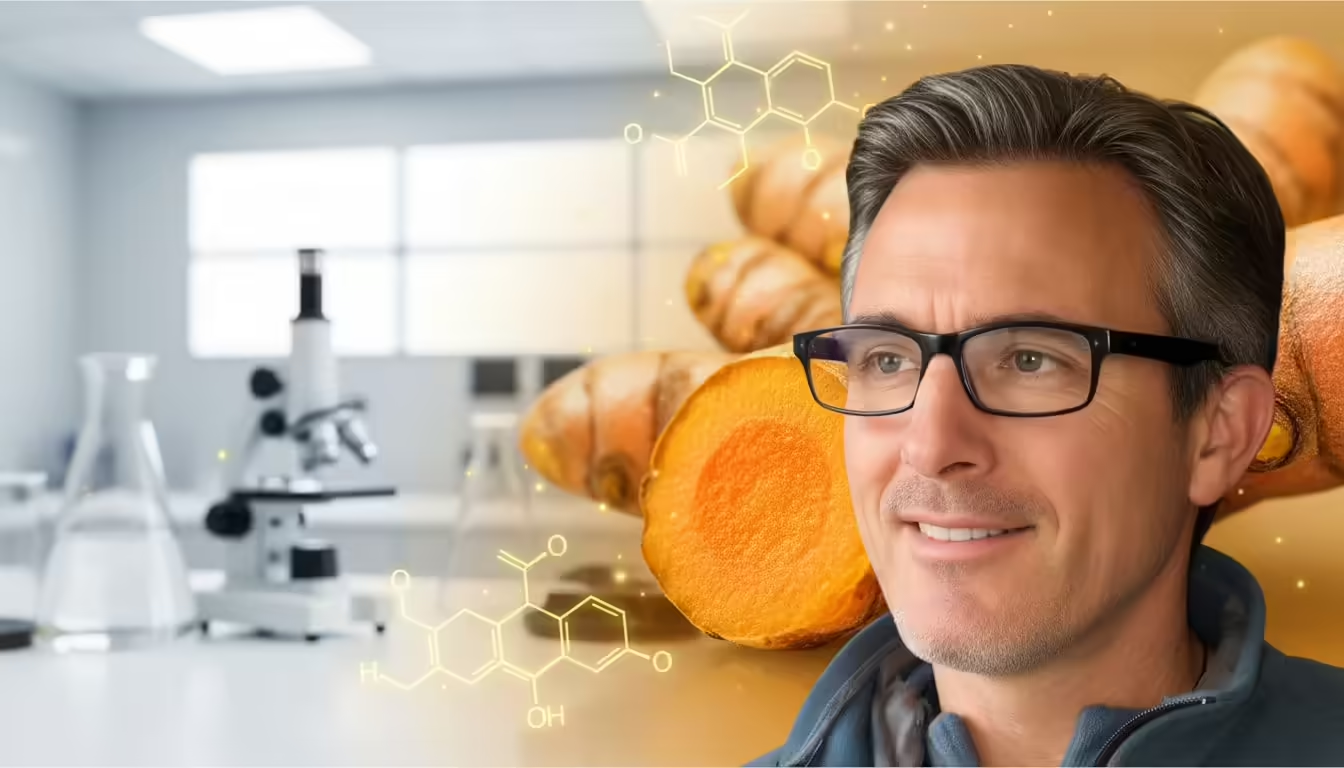 Seven years testing curcumin formulations across joint health, brain function, and inflammation — and more recently, CBD+curcumin combination products. I evaluate the published science first, the marketing second. If there’s hype, I call it out. If there’s genuine synergy, I explain exactly why it works. See my testing protocol and about page.
Why CBD and Curcumin Are a Genuinely Complementary Pair
Most supplement “stacks” are marketing constructs. CBD and curcumin are the exception — they work through genuinely different mechanisms that happen to target the same underlying problem: chronic, systemic inflammation.
Curcumin’s primary mechanism is NF-κB inhibition. Nuclear factor kappa B is the transcription factor that activates the genes producing inflammatory cytokines — TNF-α, IL-1β, IL-6. When curcumin suppresses NF-κB, it effectively turns down the volume on the body’s inflammatory signalling at the genetic level. This is the same mechanism behind curcumin’s well-documented benefits for arthritis, brain health, and mood disorders.
CBD works differently. It interacts with the endocannabinoid system — a regulatory network of CB1 and CB2 receptors distributed throughout the central nervous system, immune tissue, and peripheral organs. CB2 receptor activation (CBD’s primary anti-inflammatory pathway) suppresses microglial activation in the brain and modulates immune cell behaviour, particularly macrophage and T-cell activity. Critically, this is a downstream pathway that NF-κB inhibition doesn’t directly address.
The result: curcumin addresses inflammatory gene expression; CBD addresses the signalling cascade that drives neuroinflammation and pain perception. They are not redundant — they are additive.
The Bioavailability Problem — and Why It Defines Which Products Work
Both curcumin and CBD suffer from poor bioavailability in standard form. Curcumin is fat-soluble with rapid hepatic metabolism; standard turmeric powder delivers 1–5% absorption. CBD is similarly lipophilic — standard oil tinctures lose a significant fraction to first-pass liver metabolism.
The solution for both is the same: lipid-based delivery systems. Liposomal encapsulation wraps the active compound in a phospholipid bilayer that mimics cell membranes, enabling direct cellular uptake and bypassing much of the gut/liver loss. The clinical evidence for liposomal curcumin is robust — Panahi et al. (2017, PMID 27213821) demonstrated superior NAFLD outcomes with liposomal vs standard curcumin. The same logic applies to CBD.
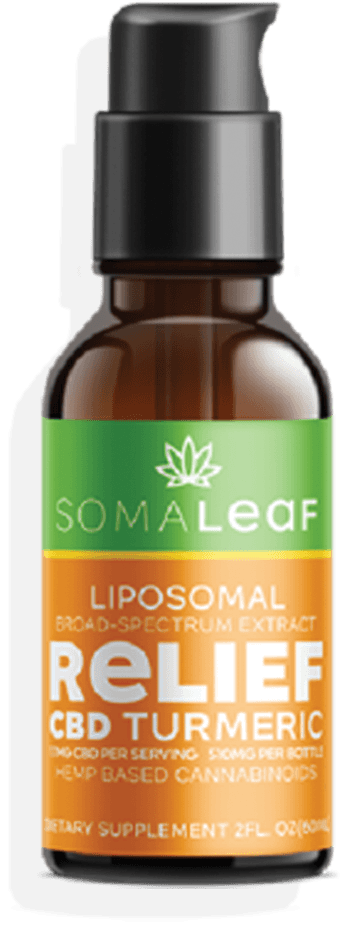
This is why the format of a CBD+curcumin product matters as much as the dose. A liposomal liquid formula (like SomaLeaf) will outperform a standard capsule at the same stated dose.
Five Evidence-Based Benefits of the CBD + Curcumin Combination
1. Joint Pain and Inflammatory Arthritis
The most studied application. Curcumin’s COX-2 inhibition and NF-κB suppression address the inflammatory driver of joint pain. Kuptniratsaikul et al. (2014, PMID 24672232) demonstrated curcumin equalled ibuprofen for knee OA pain with fewer GI side effects. CBD’s CB2 activation adds peripheral pain modulation. For arthritis and gout, this combination addresses both the inflammatory source and the pain signal.
2. Neuropathy and Nerve Pain
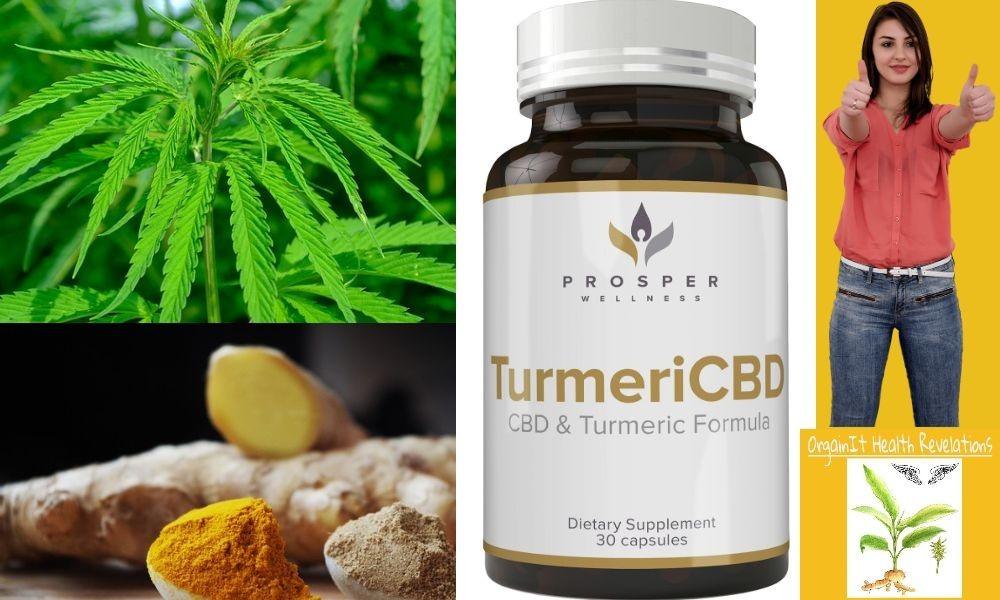
Neuropathic pain involves a different pathway to nociceptive pain — it’s driven by central sensitisation and neuroinflammation rather than peripheral tissue damage. CBD has documented CB1 receptor activity in the central nervous system that helps modulate this sensitisation. Curcumin reduces neuroinflammatory cytokines. This is the combination that TurmeriCBD was specifically designed for — and it’s the application with the most mechanistic logic.
3. Brain Health, Mood, and Cognitive Function
Neuroinflammation is increasingly understood as a driver of depression, anxiety, and cognitive decline. Curcumin’s ar-turmerone promotes neural stem cell proliferation (Hucklenbroich et al., 2014, PMID 25383141). CBD’s anxiolytic effects via 5-HT1A receptor partial agonism are well-documented in clinical literature. Together they address both the inflammatory underpinning and the neurotransmitter dynamics. See the full evidence on our CBD and turmeric for mental health page.
4. Systemic Inflammation and Immune Balance
For people managing chronic systemic inflammation — from metabolic syndrome, autoimmune conditions, or accumulated lifestyle factors — the dual NF-κB + ECS approach offers broader coverage than either compound alone. This is the everyday wellness use case: not treating a specific diagnosed condition, but reducing the inflammatory load that accumulates over decades of midlife stress, diet, and sedentary work.
5. Recovery and Exercise-Induced Inflammation
Post-exercise inflammation is a physiological process that becomes problematic when chronic or excessive. Both curcumin and CBD have been studied in the context of DOMS (delayed onset muscle soreness) and recovery. The combination is increasingly popular among athletes and active people who want to recover faster without compromising training adaptation.
Which CBD + Curcumin Product Is Right for You?
Three products stand out in this category. Each serves a different primary use case — choosing the right one depends on your main goal.
? CBD + Curcumin Products: Robert’s Honest Comparison
Based on 9+ years of formulation testing. Each rated on its own merits.
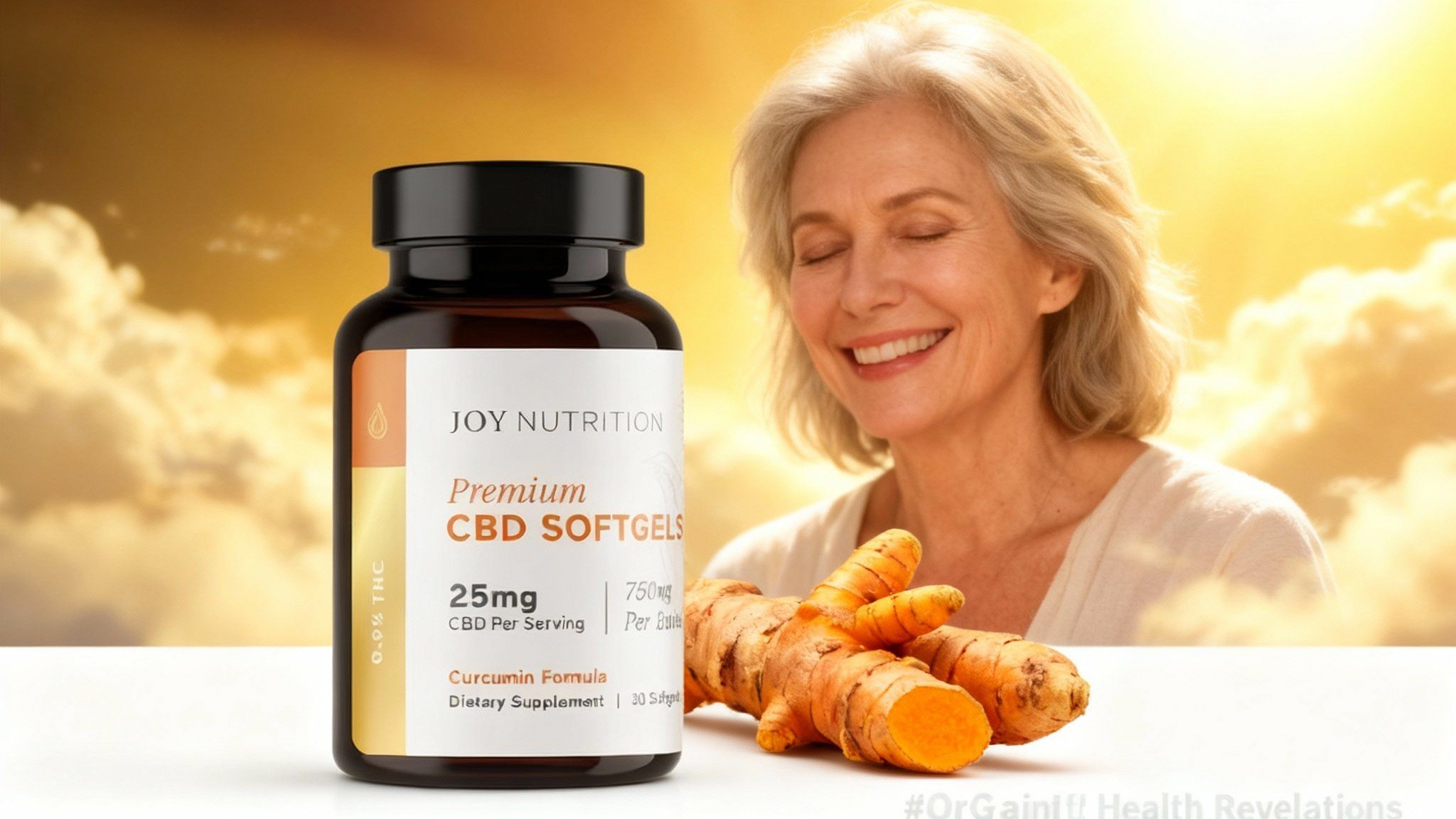
Affiliate disclosure: This site earns a commission if you purchase via our links, at no extra cost to you. Ratings reflect Robert’s genuine assessment. See our testing protocol.
Safety, Drug Interactions, and Who Should Be Cautious
Both CBD and curcumin are metabolised by the CYP3A4 and CYP2C9 liver enzyme pathways — the same pathways used by many common medications. This creates a real interaction risk that deserves honest discussion. For a full breakdown, see our safety guide on taking CBD and turmeric together.
The key groups who need to consult their doctor first:
- Blood thinners (warfarin, apixaban) — both curcumin and CBD can inhibit platelet aggregation and slow metabolism of anticoagulants, increasing bleeding risk
- Immunosuppressants (tacrolimus, cyclosporine) — relevant for transplant patients and autoimmune conditions; CYP interaction can alter drug levels
- Antidepressants and SSRIs — CBD has serotonergic activity; combining with SSRIs warrants medical supervision
- Diabetes medications — curcumin has modest glucose-lowering effects; monitoring is prudent
See our full turmeric side effects and safety guide for the complete interaction picture.
Dosage: What the Evidence Supports
For curcumin: clinical trials have used 500–1,000mg of curcumin extract (not whole turmeric powder) daily. With enhanced-bioavailability formulas (liposomal, Meriva, BCM-95), effective doses are lower. The key variable is always the delivery format — turmeric vs curcumin is not a trivial distinction.
🔗 Meriva® phytosome: Best Meriva® supplements (2026) | What is Meriva®? | 7 proven benefits
For CBD: the evidence spans 20–300mg/day depending on the condition. For general anti-inflammatory support, 20–50mg/day is a practical starting point. Start low, assess over 4 weeks, adjust. Do not exceed doses that place you in unpredictable CYP450 interaction territory if you are on medications.
Timing: Take both with a fatty meal. Both are lipophilic — absorption increases significantly with dietary fat. Coconut oil, avocado, or a full meal all help. This is non-negotiable with standard capsule formats.
? CBD + Turmeric Cluster — Related Reading
- CBD & Turmeric for Mental Health — Deep dive into mood, anxiety, and brain resilience
- Turmeric vs CBD — Evidence-based comparison to help you choose one or both
- Combining CBD & Turmeric for Pain — Practical protocol for joint pain and recovery
- Can You Take CBD & Turmeric Together? — Safety, interactions, and dosage guidance
- SomaLeaf Review — Liposomal CBD+turmeric formula deep dive
- TurmeriCBD Review — Prosper Wellness neuropathy formula analysis
- Joy Organics CBD + Turmeric Review — Broad-spectrum softgels evaluation
- What Is Turmeric Good For? — Full hub covering all health applications
Also check out the curated product list on Robert’s Benable page for current top picks across all curcumin categories.