Medical Disclaimer: This content is for informational purposes only and does not constitute medical advice, diagnosis, or treatment. Turmeric and curcumin supplements may interact with medications. Always consult a licensed healthcare professional before starting any supplement regimen.
⚡ Quick Answer: What Are the Scientifically Proven Benefits of Turmeric Supplements?
Turmeric supplements — specifically curcumin in a bioavailable formulation — have strong clinical evidence across 12 distinct health applications: inflammation control, joint pain, athletic recovery, brain health, depression and mood, cardiovascular health, liver health, metabolic health and insulin resistance, immune function, skin conditions, digestive health, and cancer adjunct support. The research spans over 10,000 published studies. But here is the one fact that changes everything: standard turmeric powder absorbs at 1–3%. Without a patented delivery system — C3 Complex®, Meriva®, Longvida®, BCM-95® — you are not getting clinical doses to your tissues, and the benefits do not apply.
- Strongest evidence: Inflammation (NF-κB), osteoarthritis (equivalent to ibuprofen in RCTs), NAFLD, metabolic syndrome, DOMS/athletic recovery
- Gold Standard daily pick: Nature’s Lab Gold — C3 Complex® + BioPerine® (20% off via Robert’s link)
- This page: 9+ years of site research condensed into one authority guide — every benefit, every PMID, every formulation matched to the evidence. No hype. No fabricated statistics.
Written by: Robert Lees — Founder, OrGainIt | 9+ Years Reviewing Turmeric Supplements
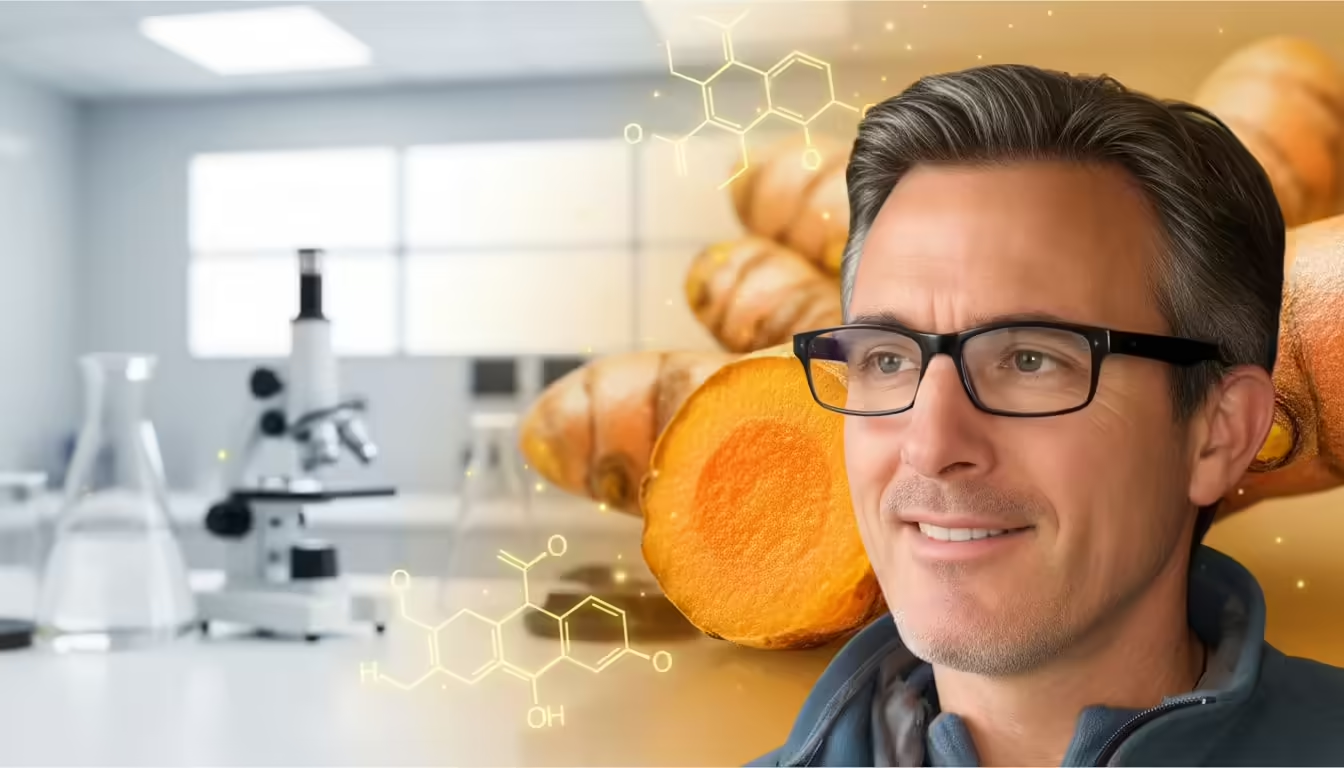
I didn’t come to turmeric through wellness culture. I came to it through a wrecked ankle and 20 years of jobs that punish the body — construction, physical labour, the kind of work that leaves compound interest in your joints. When the ankle went badly enough that surgery was on the table, I started looking at what the evidence actually said about natural anti-inflammatories. Not blogs. Not forums. PubMed. What I found stopped me in my tracks: curcumin had head-to-head trial data against ibuprofen. Real RCTs. Real patients. Real outcomes. The catch — and this is the catch most people miss — was that the results only showed up with specific patented formulations. Not generic turmeric powder. Not the cheap capsule from the supermarket. The clinical results came from ingredients like C3 Complex®, Meriva®, and BCM-95®. That discovery is what this entire site is built on. Nine years, 50+ products reviewed, hundreds of studies analysed. Everything on this page is evidence-first.
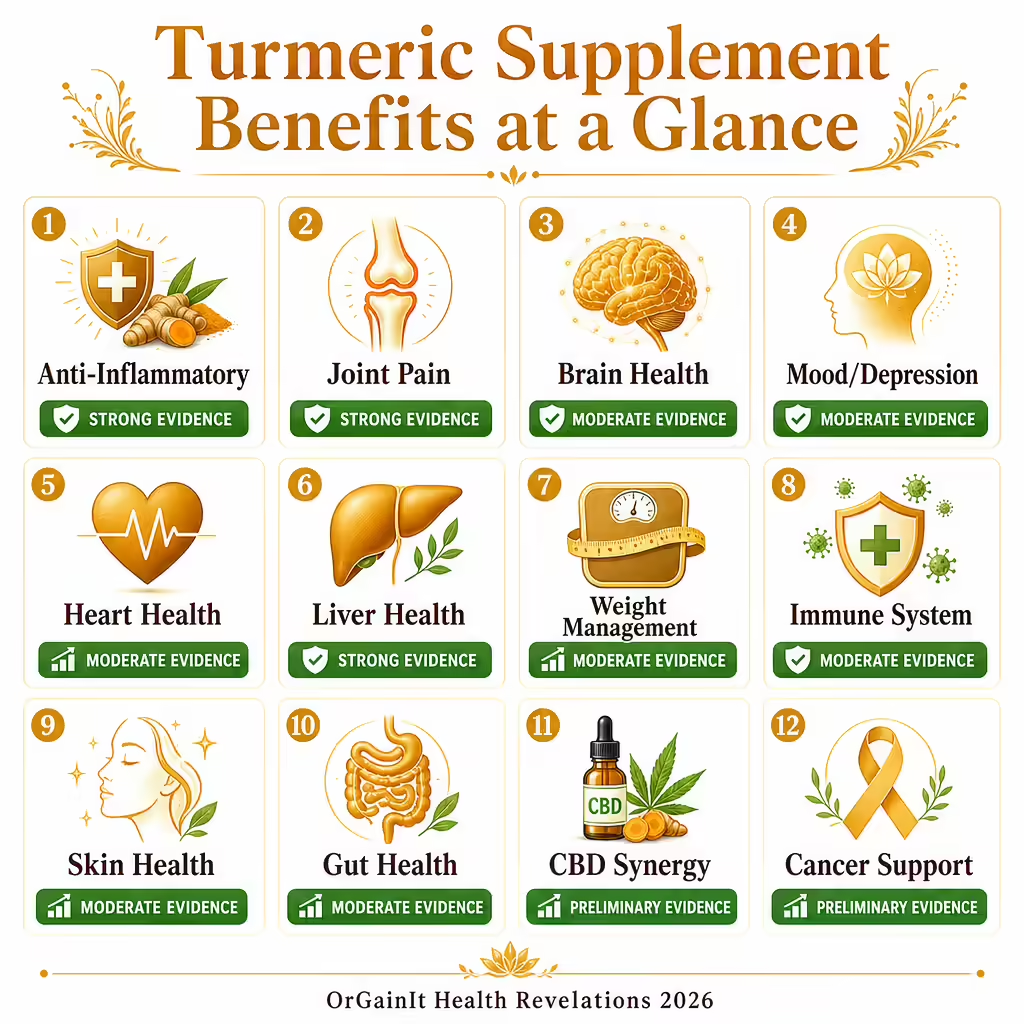
All 12 benefit areas at a glance — each covered in depth below with clinical trial evidence
📋 Table of Contents
- Why Turmeric Works: The NF-κB Mechanism
- Inflammation — The Master Benefit
- Joint Pain, Arthritis and Gout
- Athletic Recovery and Physical Performance
- Brain Health and Cognitive Function
- Depression, Mood and Stress
- Cardiovascular Health
- Liver Health and NAFLD
- Metabolic Health, Insulin Resistance and Weight
- Immune System Support
- Skin Health — Acne, Psoriasis and Ageing
- Digestive Health and Gut Microbiome
- Cancer Support — Adjunctive Evidence
- The Formulation Decision
- Frequently Asked Questions
Why Turmeric Works: The NF-κB Mechanism
Before you can make sense of 12 different health applications, you need to understand the one mechanism that connects them all.
Curcumin — the active polyphenol in turmeric — is one of the most potent natural inhibitors of NF-κB (nuclear factor kappa B) that nutritional science has identified. NF-κB is a master transcription factor: it sits inside your cells and controls the genes responsible for producing the most destructive inflammatory mediators in the body — TNF-α, IL-1β, IL-6, and COX-2. These are not abstract chemistry terms. TNF-α is the cytokine destroying cartilage in arthritis. IL-6 is elevated in depression, cardiovascular disease, and metabolic syndrome. COX-2 is the enzyme that ibuprofen and aspirin try to block.
Chronic, low-grade NF-κB activation is the common thread running through almost every major modern chronic disease. Not acute inflammation — that is healthy and necessary. The problem is the background hum of inflammation that never fully switches off: the inflamed joints that never fully recover, the metabolic dysfunction that compounds over years, the neuroinflammation that gradually degrades mood and cognition.
Curcumin works upstream. It does not mask the symptom — it reduces the signal that produces it. This is why the benefit profile of turmeric is so unusually broad. It is not doing 12 different things through 12 different mechanisms. It is doing one thing — reducing chronic inflammatory load — that has consequences across almost every system in the body.
The caveat, and it is critical: curcumin is notoriously difficult to absorb. Standard turmeric powder at 3–5% curcuminoid content absorbs at 1–3% in most people. A patented delivery system is not optional if you want clinical results. It is the difference between the studies working and them not.
Full mechanism detail: Turmeric for Inflammation — The Complete Evidence Guide
The 12 Evidence-Backed Benefits of Turmeric Supplements
1. Inflammation — The Master Benefit
Evidence grade: Exceptionally strong — hundreds of RCTs across multiple populations
If you only read one section of this page, this is the one. Inflammation is not just a benefit category for turmeric supplements — it is the mechanism behind every other benefit on this list. And the evidence is not marginal. It is among the deepest evidence bases in nutritional science.
Daily et al. (2016, PMID 27533649) — a systematic review covering 8 randomised controlled trials — confirmed statistically significant reductions in CRP (C-reactive protein), IL-6, and TNF-α with curcumin supplementation across a range of patient populations. A 2025 meta-analysis further confirmed that curcumin reliably lowers both CRP and TNF-α, two of the most widely used clinical markers of systemic inflammation.
What makes this evidence compelling is not just the volume — it is the mechanism specificity. Curcumin does not produce a non-specific anti-inflammatory effect. It targets NF-κB directly, COX-2 expression, and the NLRP3 inflammasome — three of the most clinically significant inflammatory pathways. NSAIDs like ibuprofen work only on COX-2, and only downstream of the inflammatory signal. Curcumin works at the transcription level — upstream, at the source.
Formulation insight: For broad systemic inflammation, C3 Complex® + BioPerine® is the clinical benchmark — used in more RCTs than any other curcumin ingredient. BioPerine® (patented piperine, PMID 9619120) increases curcumin bioavailability by up to 2,000%. Without it, most curcumin never reaches systemic circulation in meaningful quantities. ⚠️ Piperine significantly increases absorption of many medications — consult your doctor if you are on prescription drugs.
→ Deep dive: Turmeric for Inflammation — The Complete Evidence Guide
2. Joint Pain — Arthritis, Gout, and Rheumatoid Arthritis

Evidence grade: Strong — multiple head-to-head RCTs vs NSAIDs
The joint pain evidence is where I stopped being sceptical and started being convinced. Not because of one study — because of the consistency across independent trials, different formulations, different patient populations, and different joint conditions all pointing in the same direction.
The landmark study: Kuptniratsaikul et al. (2014, PMID 24672232) enrolled 367 patients with knee osteoarthritis and compared curcumin directly against ibuprofen in a randomised, controlled trial. The result: curcumin was equivalent in pain reduction and functional improvement — with significantly fewer gastrointestinal adverse events. That is not “comparable to a placebo.” That is head-to-head against one of the most widely prescribed anti-inflammatory drugs on the planet.
The Meriva® phytosome trials add another layer. Belcaro et al. (2010, PMID 20657536) — 8 months of Meriva® supplementation — showed sustained, statistically significant improvements in WOMAC scores (the gold-standard arthritis outcome measure) and CRP reduction. For rheumatoid arthritis: Chandran and Goel (2012, PMID 22407780) found curcumin superior to diclofenac sodium on DAS28 scores. For gout: curcumin suppresses the NLRP3 inflammasome — the specific inflammatory pathway activated by uric acid crystals — and inhibits xanthine oxidase, addressing both the acute attack and the underlying uric acid overproduction.
Formulation insight: For joint and connective tissue applications, Meriva® phytosome is the clinical benchmark. The phosphatidylcholine carrier does more than improve absorption — phosphatidylcholine is a structural component of joint tissue membranes, making Meriva® directly relevant at the tissue level. This is not a general-purpose formulation that happens to help joints. It was designed for this application and has the RCT evidence to prove it.
→ Turmeric for Arthritis | → Turmeric for Gout | → Complete Pain Guide
3. Athletic Recovery and Physical Performance
Evidence grade: Strong — multiple DOMS RCTs, exercise-induced inflammation trials
This is the benefit that changed my personal understanding of what turmeric supplements are actually for — and it is the most underrated application in the mainstream conversation.
After years of physical work — the kind of jobs that compound debt in your joints, your connective tissue, your lower back — and a serious ankle injury that forced a complete rethink, I encountered curcumin’s recovery application before I understood its science. My ankle was not healing at the rate the physio expected. Someone pointed me toward curcumin. I was sceptical. Then I read the trials.
Delayed onset muscle soreness — DOMS — is acute, localised NF-κB activation in mechanically damaged muscle fibres. It is inflammatory by nature, which means curcumin’s mechanism targets it directly. Drobnic et al. (2014, PMID 25415419) — a double-blind RCT in professional footballers — demonstrated significant reductions in DOMS at 48 and 72 hours post-exercise in the curcumin group vs placebo, alongside lower creatine kinase levels (a marker of muscle damage). Nicol et al. (2015, PMID 26592560) confirmed reduced inflammatory cytokines and improved recovery capacity in recreationally active adults.
The practical implication extends beyond sport. If you do physical work — labour, lifting, sport, anything that creates repetitive mechanical stress — curcumin is not a wellness supplement. It is a recovery tool with the same class of clinical evidence behind it that physicians use when recommending NSAIDs. Without the GI risk.
Formulation insight: For recovery and performance, bioavailability is the primary variable. C3 Complex® + BioPerine® is the accessible daily option. BCM-95® (curcumin + turmeric essential oils, 7× plasma levels vs standard extract) is preferred by some athletes for its broader curcuminoid + turmerone profile. Either will outperform standard powder by an order of magnitude.
→ Turmeric for Pain and Physical Recovery
4. Brain Health and Cognitive Function
Evidence grade: Strong — Longvida® UCLA RCT, ar-turmerone neural stem cell research
The brain evidence has two distinct and complementary mechanisms — and understanding both explains why brain-targeted curcumin supplementation looks so different from general anti-inflammatory use.
First: neuroinflammation reduction. The same NF-κB pathway driving joint and systemic inflammation is active in the brain, where it contributes to amyloid-beta plaque accumulation and synaptic dysfunction relevant to cognitive decline. Curcumin’s ability to cross the blood-brain barrier — when delivered in a brain-penetrant formulation — means it can act directly on neuroinflammation at the source.
Second: ar-turmerone, a bioactive compound in turmeric essential oils distinct from curcuminoids, has been shown to promote neural stem cell proliferation — the process by which the brain produces new neurons. Hucklenbroich et al. (2014, PMID 25383141) demonstrated this in both in vitro and in vivo models. This is neurogenesis — a mechanism that antidepressants and cognitive enhancers target pharmacologically — occurring with a natural compound.
The clinical landmark: Small et al. (2018) — the Longvida® UCLA trial (PMID 29246725) — randomised healthy adults aged 51–84 to 90mg/day Longvida® vs placebo for 18 months. The curcumin group showed significant improvements in memory, attention, and mood, alongside reduced amyloid and tau signals on PET brain scans. This is one of the most rigorous curcumin human trials ever conducted.
Formulation insight: Brain-targeted supplementation is non-negotiable about formulation. Longvida® (SLCP technology) is the benchmark — specifically engineered to cross the blood-brain barrier and maintain free curcumin levels in the brain. C3 Complex® and BCM-95® have meaningful bioavailability but limited brain penetration. For cognitive and neuroprotective goals, Longvida® is the evidence-based choice.
→ Turmeric for Brain Health — Full Evidence Guide
5. Depression, Mood, and Stress
Evidence grade: Moderate-strong — RCTs including direct comparison vs SSRIs
The depression research is where the medical establishment gets genuinely uncomfortable, because the data is inconvenient for a model that assumes pharmaceuticals are the only serious option for neurochemical conditions.
Sanmukhani et al. (2014, PMID 23832433) conducted a randomised controlled trial comparing curcumin alone, fluoxetine (Prozac) alone, and the combination in patients with major depressive disorder. The finding: curcumin showed comparable antidepressant effect to fluoxetine. The combination outperformed either alone. These are not self-reported wellness outcomes — these are clinically validated depression measures in diagnosed patients.
The mechanisms are multi-pathway: curcumin inhibits MAO-A and MAO-B (the enzymes that break down serotonin and dopamine — the same enzymes that MAOI antidepressants target), upregulates BDNF (brain-derived neurotrophic factor, the brain’s growth hormone), modulates serotonin and dopamine receptors, and reduces HPA axis hyperactivity — meaning it lowers the cortisol-mediated stress response at a neurochemical level. These are not indirect or theoretical effects. They are the same endpoints that psychiatric medications target.
Formulation insight: For depression and mood applications, brain penetration matters — putting Longvida® ahead of general options. For the cortisol and stress component specifically, BCM-95® (which includes ar-turmerone from turmeric essential oils) has additional HPA-axis relevance. If CBD synergy is desired for anxiety and sleep: SomaLeaf liposomal curcumin + CBD combines both anti-inflammatory and endocannabinoid pathways.
→ Turmeric for Depression | → Turmeric and Dopamine | → CBD and Turmeric for Mental Health
6. Cardiovascular Health
Evidence grade: Moderate-strong — endothelial function RCTs, lipid meta-analyses, 2024 large-scale review
Cardiovascular disease is the world’s leading cause of death — and its root mechanism, endothelial dysfunction, is an inflammatory process. This positions curcumin as more relevant to heart health than most people realise, and the trials back this up.
Santos-Parker et al. (2017, PMID 28121287) demonstrated that curcumin supplementation significantly improved endothelial function — measured via flow-mediated dilation — in middle-aged and older adults. Endothelial function is one of the earliest and most reliable markers of cardiovascular risk. A 2024 meta-of-metas (PMID 39265778) confirmed +3% flow-mediated dilation improvements across pooled populations — a clinically meaningful effect size. Qin et al. (2017, PMID 28067838) — a comprehensive meta-analysis — confirmed significant reductions in LDL and total cholesterol. Yang et al. (2024, PMID 38312990) reviewed the full cardiovascular evidence base and identified curcumin’s antiplatelet, antioxidant, and endothelial-protective mechanisms as clinically distinct and additive.
Formulation insight: Cardiovascular targets require systemic bloodstream delivery — making liposomal curcumin the primary recommendation for heart health. Liposomal delivery encapsulates curcumin in phospholipid vesicles that bypass first-pass liver metabolism and deliver directly to the bloodstream. C3 Complex® + BioPerine® is a strong secondary option for general cardiovascular inflammation support.
→ Turmeric for Heart Health — Full Evidence Guide
7. Liver Health and NAFLD
Evidence grade: Strong — direct NAFLD trials with measurable biomarker outcomes
Non-alcoholic fatty liver disease (NAFLD) affects an estimated 25–30% of the global population and has limited pharmaceutical options. The curcumin evidence in this space is some of the most practically significant in nutritional medicine — because the trials used objective, measurable outcomes, not just symptom scores.
Panahi et al. (2017, PMID 27213821) used liposomal curcumin in NAFLD patients and demonstrated significant reductions in liver enzymes (AST and ALT — the standard clinical markers of liver stress), CRP, and — critically — ultrasound-measured hepatic steatosis (fat accumulation in the liver). This is not a proxy outcome. It is objective imaging showing liver fat reduction. Curcumin’s hepatoprotective action operates through NF-κB suppression in liver tissue, direct antioxidant activity at the hepatocyte level, and modulation of lipid metabolism pathways.
Formulation insight: Liver health is a strong argument for liposomal curcumin — the formulation used in the primary NAFLD trials. The liver is reached efficiently via systemic bloodstream delivery, making liposomal encapsulation the appropriate delivery vehicle. Manna Vitamins Evolved Liposomal Liquid Curcumin is the reviewed recommendation for this application.
→ Turmeric and Liver Health — NAFLD Evidence Review
8. Metabolic Health, Insulin Resistance, and Weight Management
Evidence grade: Strong — landmark 9-month RCT in prediabetic subjects
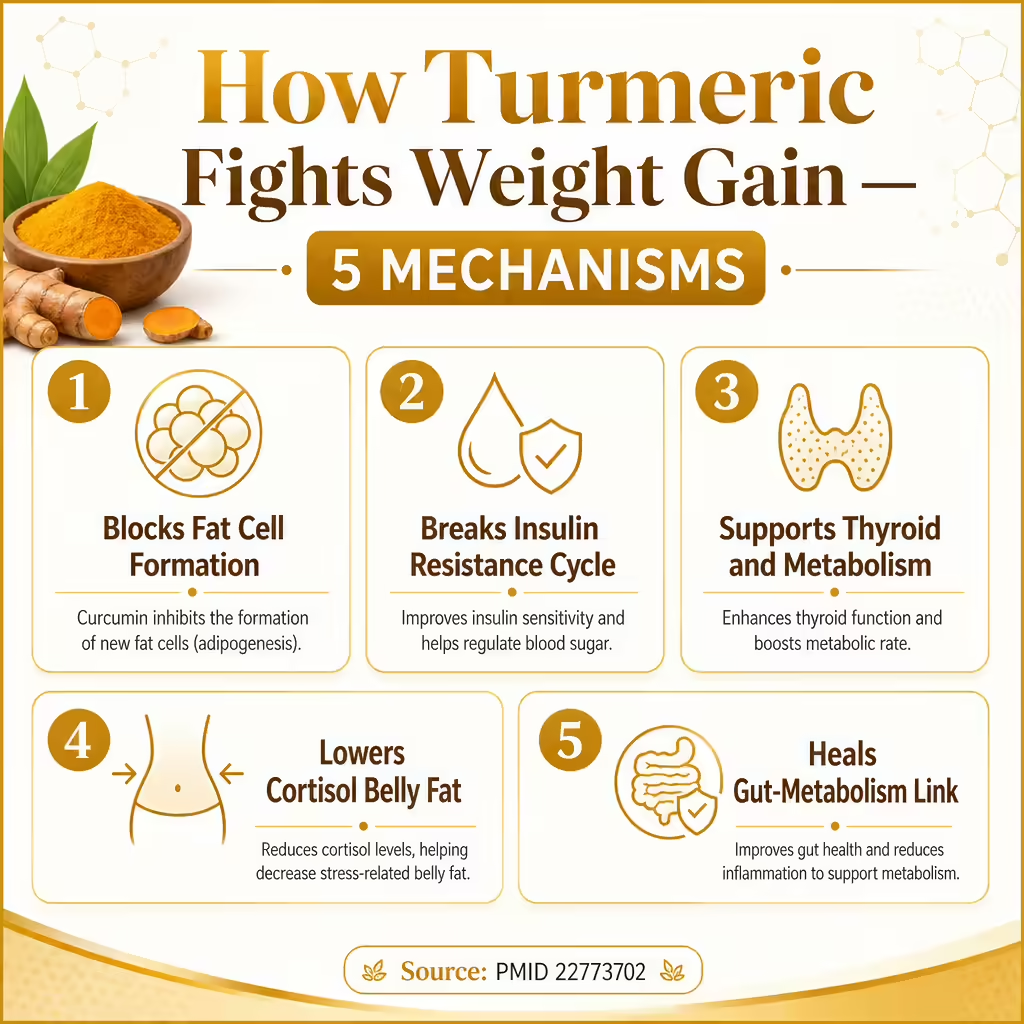
The metabolic evidence is anchored by one of the most compelling long-term curcumin trials in existence. Chuengsamarn et al. (2012, PMID 22773702) enrolled 240 prediabetic subjects, randomised them to curcumin or placebo, and followed them for 9 months. The result was striking: zero subjects in the curcumin group progressed to type 2 diabetes over 9 months. In the placebo group, 16.4% progressed. Alongside this, insulin sensitivity scores, adiponectin levels, and beta-cell function all significantly improved in the curcumin group.
The mechanism is not one pathway — it is five. Curcumin inhibits adipogenesis (fat cell formation), reduces cortisol-driven fat storage via HPA axis modulation, supports thyroid function, positively modulates the gut microbiome (directly influencing metabolic outcomes), and improves insulin receptor sensitivity. This multi-pathway action is why the metabolic evidence is so consistent across trials — curcumin is not a single-target metabolic drug. It is addressing the upstream inflammatory and hormonal drivers of metabolic dysfunction.
Formulation insight: For metabolic targets, C3 Complex® + BioPerine® is the well-evidenced daily option — most metabolic trials used standard curcumin with piperine for bioavailability. BCM-95® is a strong alternative given its broader curcuminoid + turmerone profile and demonstrated plasma levels 7× standard extract.
→ Turmeric for Weight Loss — 5 Mechanisms Explained | → Turmeric for Diabetes
9. Immune System Support
Evidence grade: Moderate — bidirectional immunomodulation well characterised in research
Curcumin’s immune effects are more nuanced than most supplements — and that nuance is actually what makes it clinically valuable. This is not a simple immune “booster.” It is an immune regulator with bidirectional activity: it enhances innate immune responses to pathogens while simultaneously suppressing the excessive immune activation that drives autoimmune conditions, chronic inflammatory disease, and the cytokine dysregulation seen in severe illness.
This dual regulation — up where immunity is weak, down where it is overactive — is a characteristic shared by few natural compounds and most pharmaceutical immunomodulators. The International Herb Association named turmeric the 2026 Herb of the Year, citing this breadth of immune-relevant research as a central factor. For midlife immune function specifically, where both susceptibility to infection and risk of inflammatory/autoimmune conditions are rising simultaneously, this bidirectional regulation is exactly the kind of modulation that is clinically useful.
Formulation insight: For immune support, C3 Complex® + BioPerine® covers the broadest base. For autoimmune-adjacent applications where gut immunity is a factor, fermented turmeric adds prebiotic and probiotic co-benefits alongside curcumin’s systemic immunomodulation.
→ Turmeric for Immune System — Complete Guide
10. Skin Health — Acne, Psoriasis, and Anti-Ageing
Evidence grade: Moderate — topical and oral trials, specialist skin formulation with RCT data
The skin applications of turmeric are more varied than most users realise — because the mechanisms are different across conditions, and the formulation choice matters more here than almost anywhere else.
For acne: curcumin has demonstrated antibacterial activity against Cutibacterium acnes (the primary acne-causing bacterium) and suppresses the NF-κB-driven inflammatory cascade that turns comedones into inflamed lesions. The “turmeric glow” trend on TikTok — 49 million posts on #turmeric — is built on real biology, even if most users are reaching for the wrong product to get there.
For psoriasis: Antiga et al. (2015, PMID 26235628) demonstrated that oral Meriva® supplementation alongside PUVA therapy produced significantly greater plaque reduction than PUVA alone in psoriasis patients. Meriva®’s phosphatidylcholine carrier has direct relevance to skin and mucosa — the same tissue-penetrating mechanism that makes it the joint-tissue benchmark also makes it relevant for skin and oral mucosal conditions.
For anti-ageing and hyperpigmentation: tetrahydrocurcumin (THC) — the primary metabolite of curcumin, found in concentrated form in CuroWhite® — is a potent tyrosinase inhibitor, directly blocking melanin overproduction. It is also a more stable antioxidant than curcumin itself in skin tissue, making CuroWhite® the specialist formulation for skin-targeted supplementation.
→ Turmeric for Skin | → Turmeric for Acne | → Turmeric for Psoriasis | → What is CuroWhite®?
11. Digestive Health and Gut Microbiome
Evidence grade: Moderate — IBS and IBD trials, gut permeability and prebiotic research
The gut is increasingly understood as the organ most connected to systemic health — inflammation, mental health, metabolic function, and immune regulation all have direct gut-brain and gut-body axes. Curcumin operates at multiple points in the gut health picture.
For inflammatory bowel conditions: curcumin suppresses the NF-κB-driven inflammation that drives IBD, reduces intestinal permeability (“leaky gut”), and modulates mucosal immune responses. For IBS: the antispasmodic and anti-inflammatory effects provide symptomatic relief. The prebiotic-like effect — supporting beneficial bacterial populations including Lactobacillus and Bifidobacterium species — connects gut supplementation to systemic metabolic and immune outcomes. Fermented turmeric adds direct probiotic co-benefits alongside curcumin, making it the best-evidence option when gut microbiome health is the priority.
Formulation insight: Standard C3 Complex® or BCM-95® for systemic gut inflammation. Fermented turmeric specifically when gut microbiome and probiotic co-benefits are the target. Avoid piperine-containing formulas if you have severe intestinal inflammation — piperine increases gut wall permeability, which can exacerbate leaky gut.
→ Turmeric for Digestion | → Fermented Turmeric Guide
12. Cancer Support — Adjunctive Evidence

Evidence grade: Emerging — strong preclinical base, growing adjunctive clinical evidence
The cancer evidence requires precision language — because overstating it is irresponsible, and understating it ignores a genuinely significant body of research.
Curcumin’s anti-cancer mechanisms are numerous and well-characterised in preclinical models: NF-κB suppression (critical because NF-κB drives survival and proliferation signals in many cancer cell lines), inhibition of angiogenesis (tumour blood vessel formation), induction of apoptosis in cancer cells (while leaving healthy cells unaffected), and sensitisation to chemotherapy agents. The preclinical evidence is extensive. The clinical evidence is primarily adjunctive — curcumin reducing the toxicity and side effects of chemotherapy, improving quality of life during treatment, and potentially slowing tumour progression as an add-on to standard care.
This is not a cure. This is not a treatment. This is an adjunct with mechanistic plausibility and early clinical signal in the context of oncology support. Anyone in or near this situation needs to be under medical care. But the evidence does not deserve to be dismissed.
→ Turmeric and Cancer — The Full Evidence Review
The Formulation Decision: The Single Most Important Variable
Every benefit documented above was demonstrated in clinical trials using specific, patented, bioavailable curcumin formulations. Standard turmeric powder — even high-curcuminoid extract — absorbs at 1–3% without a delivery system. The gap between “took some turmeric” and “supplemented with a clinically validated formulation” is the gap between the studies applying to you and them not.
🏆 Robert’s Gold Standard Daily Pick: Nature’s Lab Gold — C3 Complex® + BioPerine®
Best for: Daily inflammation control, general health maintenance, metabolic support, and the broadest possible clinical evidence base.
Sabinsa’s Curcumin C3 Complex® is the world’s original patented curcuminoid formula (1995) — the ingredient featured in more human clinical trials than any other curcumin product. The three curcuminoids (curcumin ~75%, demethoxycurcumin ~15%, bisdemethoxycurcumin ~10%) work synergistically in the ratio that nature produces them. Paired with BioPerine® — Sabinsa’s patented piperine extract, confirmed to increase curcumin bioavailability by up to 2,000% (PMID 9619120) — Nature’s Lab Gold delivers the complete C3 Complex clinical profile.
⚠️ Important: BioPerine® (piperine) significantly increases absorption of many medications including blood thinners, chemotherapy agents, and immunosuppressants. Consult your doctor before use if you take any prescription medications.
→ Get 20% off Nature’s Lab Gold via Robert’s link (auto-applied) | → Full C3 Complex Guide | → Nature’s Lab Gold Review (Score: 86/100)
Match Your Condition to the Right Formulation
- Daily general use / inflammation / metabolic: C3 Complex® + BioPerine® — broadest clinical base, most studied ingredient globally
- Joint pain / arthritis / connective tissue / psoriasis: Meriva® phytosome — phosphatidylcholine delivery, directly used in arthritis and psoriasis RCTs
- Brain health / cognitive function / neuropathy / mood: Longvida® SLCP — engineered for blood-brain barrier penetration, UCLA RCT-backed
- Liver health / cardiovascular / systemic: Liposomal curcumin — phospholipid encapsulation for maximum systemic delivery
- Athletic recovery / broad anti-inflammatory / sport: BCM-95® — curcumin + turmeric essential oils, 7× plasma levels vs standard extract
- Skin / hyperpigmentation / anti-ageing: CuroWhite® (tetrahydrocurcumin) — colourless, tyrosinase-targeted, stable antioxidant
- Pain + CBD synergy / anxiety / sleep: SomaLeaf / TurmericBD
Before choosing: 7 factors every buyer should evaluate | Adulteration risk — what to avoid
Robert’s full curated picks: Benable — Best Curcumin Supplements 2026
Frequently Asked Questions
📚 Complete Site Research — Every Benefit, Every Deep Dive
- Turmeric for Inflammation
- Turmeric for Arthritis
- Turmeric for Pain
- Turmeric for Gout
- Turmeric for Brain Health
- Turmeric for Depression
- Turmeric and Dopamine
- Turmeric for Heart Health
- Turmeric and Liver Health
- Turmeric for Diabetes
- Turmeric for Weight Loss
- Turmeric for Immune System
- Turmeric for Skin
- Turmeric for Acne
- Turmeric for Psoriasis
- Turmeric for Digestion
- Turmeric and Cancer
- Turmeric for ED
- CBD and Turmeric for Mental Health
- Turmeric Adulteration Guide
- Fermented Turmeric
- Turmeric vs Curcumin
- Side Effects of Turmeric
- What Is Turmeric Good For?