Turmeric for Skin Benefits 2026: Anti-Inflammatory, Antibacterial and the Science Behind the Glow
Medical Disclaimer: This content is for informational purposes only and is not a substitute for professional dermatological advice. Skin conditions including eczema, rosacea, psoriasis, and acne require proper diagnosis. Perform a patch test before any topical turmeric application. Consult a healthcare professional before starting any supplement regimen.
⚡ Quick Answer: What Does Turmeric Actually Do for Skin?
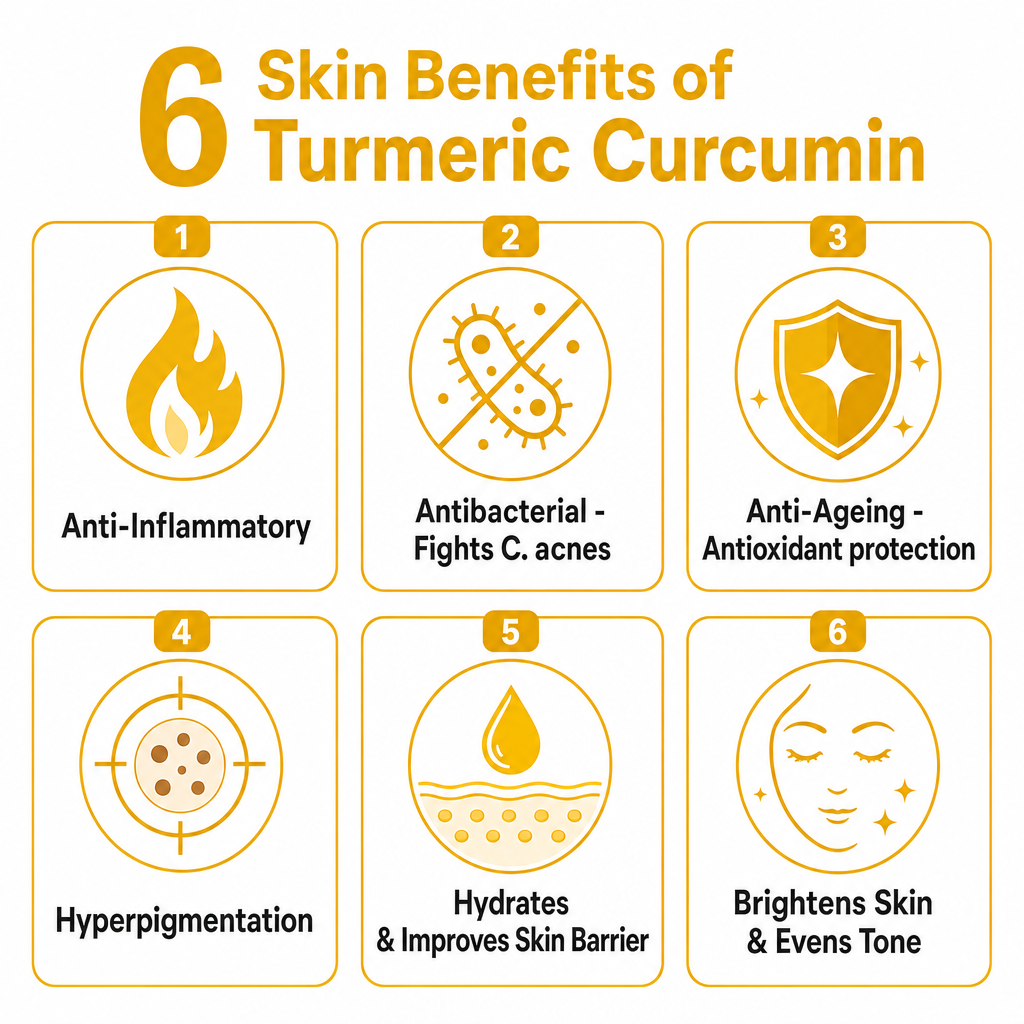
Three well-evidenced mechanisms make turmeric one of the most scientifically credible natural skincare ingredients. Curcumin is a potent NF-κB inhibitor (anti-inflammatory), has demonstrated antibacterial activity against key skin pathogens including C. acnes, and inhibits tyrosinase — the enzyme controlling melanin production. These three properties make it relevant for inflammatory skin conditions, acne, hyperpigmentation, and photoageing — both topically and as a systemic supplement.
- Best for: Inflammatory conditions (eczema, rosacea), acne, post-inflammatory hyperpigmentation, photoageing, wound healing
- Two routes: Topical (direct application to skin) + oral (systemic anti-inflammatory support)
- Key caveat: Stains skin and fabric yellow — patch test first, rinse well
 I’ve spent over seven years researching turmeric and curcumin, including evaluating the dermatological evidence alongside the metabolic and anti-inflammatory research. I also have personal experience — midlife skin changes (redness, slower healing) pushed me to look closely at what the science actually says about turmeric for skin, and what the marketing overstates. See my testing protocol and about page.
Why Turmeric Is Genuinely Interesting for Skin — the Three Mechanisms
1. NF-κB Anti-Inflammatory Action
The majority of common skin conditions — eczema, psoriasis, rosacea, inflammatory acne, seborrhoeic dermatitis — have chronic inflammation as a central driver. Curcumin’s potent NF-κB inhibition suppresses the production of IL-1β, TNF-α, and IL-6 in skin tissue, directly calming the inflammatory cascade that drives these conditions. This is the same mechanism behind its broader anti-inflammatory effects — skin just happens to be accessible both topically and systemically.
2. Antibacterial Against Skin Pathogens
Curcumin has demonstrated laboratory evidence of antibacterial activity against Cutibacterium acnes (the primary acne-driving bacterium), Staphylococcus aureus (involved in infected eczema and wound infections), and certain dermatophytes (fungal skin infections). The mechanism involves disrupting bacterial cell membrane integrity and inhibiting biofilm formation. This gives topical turmeric applications a genuine antibacterial rationale — not just anti-inflammatory.
3. Tyrosinase Inhibition — Melanin Control
Tyrosinase is the rate-limiting enzyme in melanin synthesis — the pigment responsible for dark spots, post-inflammatory hyperpigmentation (PIH), and uneven skin tone. Curcumin directly inhibits tyrosinase activity, effectively slowing melanin production. This is why turmeric has been used for millennia in South Asian skincare for skin brightening — there’s a biochemical basis behind the tradition. It’s relevant for sun damage, PIH from acne, and melasma.
A 2019 review in Nutrients by Vollono et al. (doi:10.3390/nu11092169) provided a comprehensive assessment of curcumin’s dermatological evidence base across conditions including acne, psoriasis, wound healing, and photoageing — concluding that the mechanisms are well-established and clinical evidence, while still growing, is promising.

Turmeric for Specific Skin Conditions
Inflammatory Conditions: Eczema and Rosacea
Both eczema (atopic dermatitis) and rosacea are driven by chronic skin inflammation, impaired barrier function, and immune dysregulation. Curcumin’s NF-κB suppression and antioxidant properties directly address the inflammatory component. For eczema specifically, the impaired skin barrier allows allergen penetration that triggers inflammatory cycles — curcumin’s barrier-supporting properties (tight junction protein upregulation, similar to its gut barrier effects) may help here. For rosacea, reducing the facial vasodilatory inflammatory response is the mechanism most relevant to symptom control.
Topical approach: A gentle paste of turmeric powder mixed with aloe vera gel (anti-inflammatory, skin-soothing carrier) applied to affected areas for 10–15 minutes. Avoid on broken or cracked skin.
Acne (Including Adult Hormonal Acne)
We cover this in depth in our dedicated turmeric for acne guide. In brief: curcumin’s antibacterial activity against C. acnes, combined with NF-κB suppression of the inflammatory lesion response, and PPAR-γ modulation of sebum production, make it a legitimate multi-mechanism approach to inflammatory acne. For adult hormonal acne specifically, the systemic anti-inflammatory oral supplementation route addresses the internal inflammatory and sebum-regulatory component that topical treatments miss.
Psoriasis
Psoriasis is an autoimmune condition — curcumin’s immunomodulatory and NF-κB effects are directly relevant. A clinical trial by Antiga et al. (2015, PMID 26235628) using oral Meriva® curcumin as an adjunct to phototherapy showed significant improvements in PASI scores and reduced IL-22 levels. See our full psoriasis guide for the complete picture, including topical approaches and Meriva® formulation details.
🔗 Meriva® phytosome: Best Meriva® supplements (2026) | What is Meriva®? | 7 proven benefits
Anti-Ageing: Collagen, Oxidative Stress, and Photoageing
Skin ageing is primarily driven by two processes: intrinsic (genetic, time) and extrinsic (UV, pollution, smoking). Extrinsic ageing — photoageing — is driven by oxidative damage from UV-generated reactive oxygen species (ROS) that degrade collagen and elastin. Curcumin addresses this through direct ROS scavenging and upregulation of antioxidant enzymes (SOD, glutathione peroxidase). There’s also emerging evidence that curcumin stimulates collagen synthesis via TGF-β1 signalling — relevant for both ageing and wound healing.
Realistically: curcumin is one part of a comprehensive photoageing strategy alongside SPF use and Vitamin C. It’s not a wrinkle eraser, but its antioxidant and anti-inflammatory effects support skin health over time.
Hyperpigmentation and Dark Spots
The tyrosinase inhibition mechanism makes turmeric genuinely useful for fading:
- Post-inflammatory hyperpigmentation (PIH) — the dark marks left after acne or eczema lesions
- Melasma — hormonally-driven pigmentation, particularly common in women during and after pregnancy or on oral contraceptives
- Solar lentigines (age spots) — UV-triggered melanin deposits
For hyperpigmentation specifically, combining turmeric with Vitamin C (ascorbic acid — a stronger tyrosinase inhibitor) creates a complementary approach. A simple DIY: ½ tsp turmeric + 1 tbsp plain yoghurt (lactic acid exfoliant) + 5 drops Vitamin C serum. Apply for 10 minutes, rinse. Results are gradual — weeks to months, not days.
Wound Healing and Scar Support
Curcumin accelerates wound healing through several mechanisms: it promotes granulation tissue formation, stimulates VEGF (vascular endothelial growth factor) for new blood vessel formation in healing tissue, and supports collagen cross-linking. Research in wound care has shown topical curcumin formulations reduce healing time in abrasion and minor wound models. For post-acne scarring (textural) this is less relevant — curcumin can reduce PIH but cannot remodel existing scar tissue. See our acne guide for the hyperpigmentation vs textural scar distinction.
Skin Cancer: Adjuvant Support Context
Curcumin has been studied in oncology research for its ability to induce apoptosis in cancer cell lines and reduce radiation-induced skin inflammation. This is discussed in detail in our cancer guide. The important framing: this is adjuvant research — curcumin as a supportive complement to prescribed cancer treatment, not a standalone therapy. The documented benefit of a turmeric-based cream reducing pain and malodour from skin cancer lesions during treatment is a palliative care application, not a curative one.
Practical Guide: How to Use Turmeric on Your Skin
The Golden Glow Mask (General Brightening + Anti-Inflammatory)
This is the best-known and most versatile application:
- ½ tsp turmeric powder
- 1 tbsp full-fat plain yoghurt (lactic acid gently exfoliates)
- 1 tbsp raw honey (antibacterial, humectant)
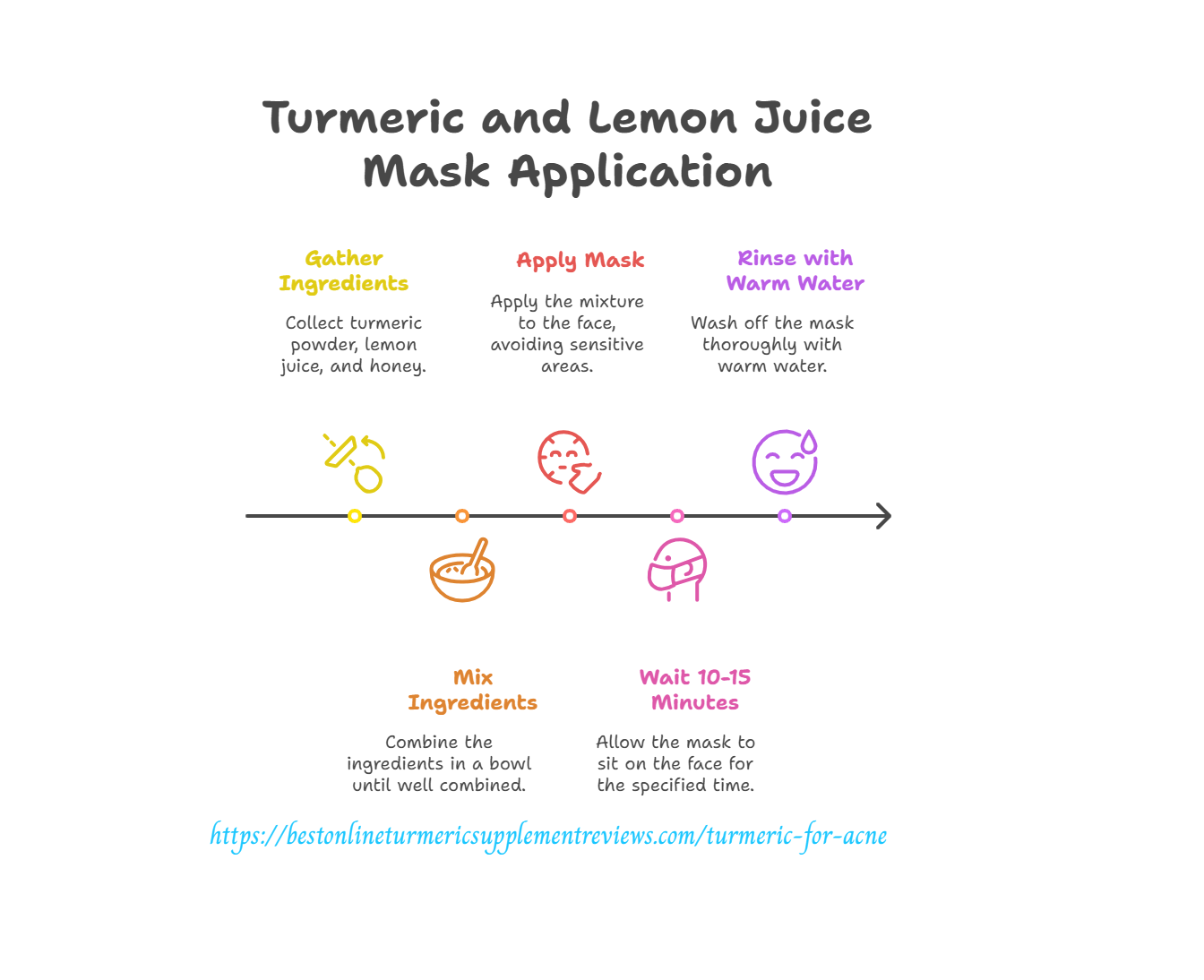
Mix to a smooth paste. Apply to clean face avoiding the eye area. Leave 10–15 minutes, rinse with warm water. Use 2–3 times per week. Suitable for most skin types.
Anti-Inflammatory Paste (For Eczema/Rosacea Spots)
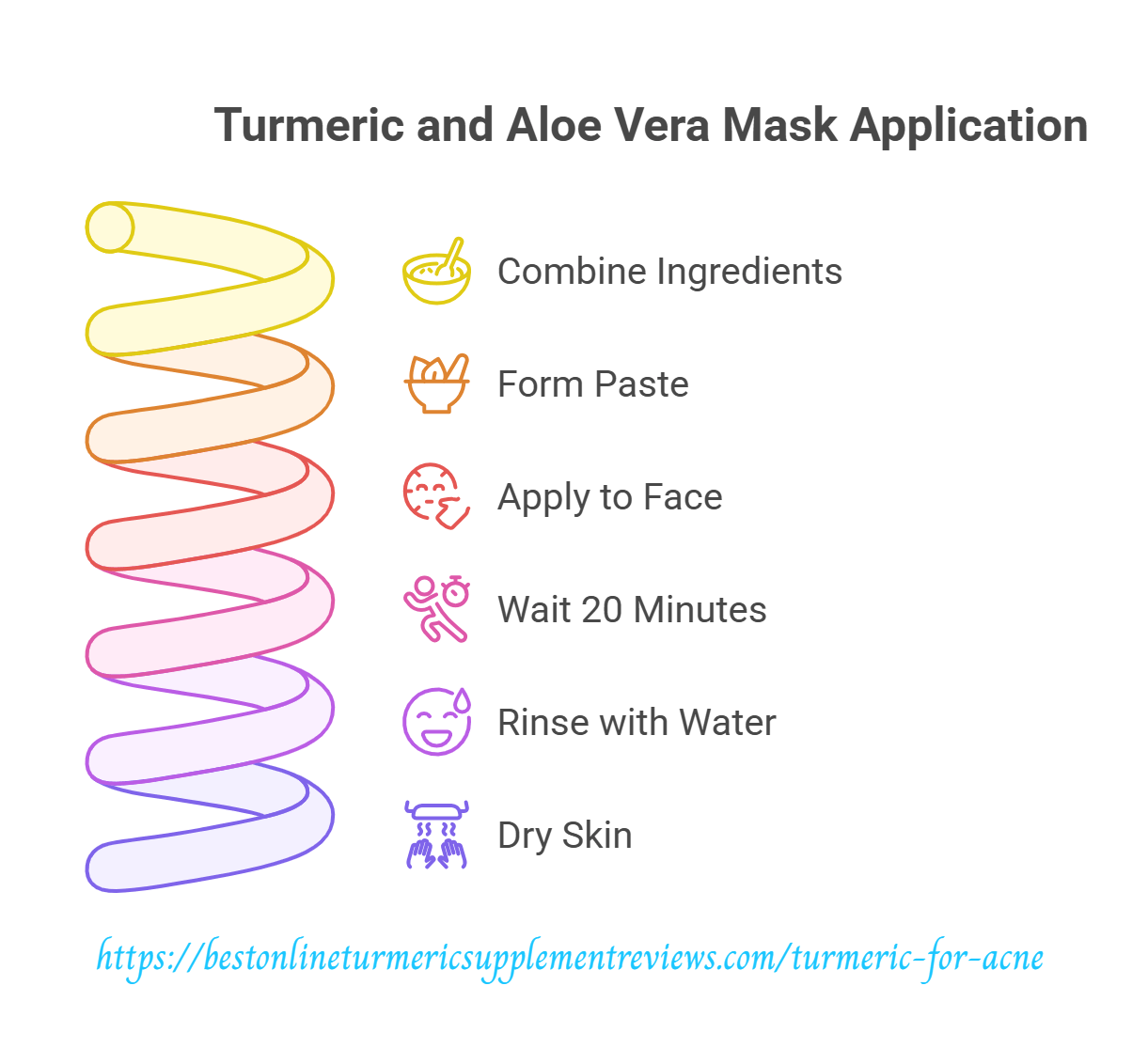
- ½ tsp turmeric powder
- 2 tbsp aloe vera gel (soothing, fragrance-free)
Apply to affected areas only, avoid healthy skin, leave 10 minutes. Gentle enough for reactive skin.
Hyperpigmentation Treatment
- ½ tsp turmeric powder
- 1 tbsp plain yoghurt
- ½ tsp Vitamin C powder (ascorbic acid — optional but enhances depigmentation)
Apply to dark spots only for 10 minutes, rinse. Build up gradually. Results take 4–8 weeks of consistent use.
Detox Mask (Oily/Congested Skin)
- ½ tsp turmeric powder
- 1 tbsp bentonite clay
- Water to paste consistency
Apply, leave until almost dry (not fully — clay masks fully drying can over-strip). Rinse. Weekly use for oily skin types.
⚠ Staining warnings (non-negotiable):
• Turmeric WILL temporarily stain skin yellow — this fades within a few hours with cleansing
• Turmeric WILL permanently stain fabric, grout, and plastic
• Use old towels, wear old clothes, apply over a sink
• Rinse with a gentle cleanser immediately after the recommended time
• Light or fair skin may retain mild staining for longer
• Patch test on inner wrist for 24 hours before facial use
Oral Supplementation: The Inside-Out Approach
Topical turmeric addresses local skin concerns directly. But chronic skin conditions — especially those driven by systemic inflammation (psoriasis, eczema, adult acne) — also benefit from internal anti-inflammatory support. Oral curcumin reduces the body-wide inflammatory load that manifests in skin. The gut-skin axis is real: gut dysbiosis and leaky gut drive systemic inflammation that worsens inflammatory skin conditions — see our digestion guide for how curcumin supports gut health alongside skin.
For skin applications specifically, bioavailability-enhanced formulations (Meriva®, fermented turmeric, BCM-95®) outperform standard powder. See our full formulations guide for a detailed comparison.
📍 My Curated Curcumin Picks: Benable — Best Curcumin Supplements for Inflammation in 2026. Includes formulations with specific skin and anti-inflammatory evidence.
Recommended for Systemic Skin Support
Turmeric 3D by Organixx — USDA organic, fermented for enhanced bioavailability, piperine-free (safe if on medications), with Vitamin D3 and KSM-66.
Turmeric for Skin — FAQ
Can I use turmeric on my face every day?
Daily application is not recommended for most people. 2–3 times per week is sufficient for benefit without over-exposure. Daily topical use increases staining risk and some people find daily application causes mild irritation, particularly on reactive or sensitised skin. Daily oral supplementation is fine and provides systemic anti-inflammatory support without the staining issue.
How long does it take for turmeric to work on skin?
For active inflammation (redness, swelling from acne) — hours to days of topical application. For hyperpigmentation and dark spots — weeks to months of consistent use. For systemic benefits from oral supplementation — 4–8 weeks of daily use. Turmeric is not a quick fix for anything structural; it works gradually alongside your skin’s natural renewal cycle.
Is turmeric good for mature/ageing skin?
Yes, through two mechanisms: antioxidant protection against the oxidative damage driving photoageing, and collagen synthesis support via TGF-β1 signalling. It will not reverse established wrinkles — for that, SPF is the only proven intervention. But consistent use contributes to better skin health over time.
Will turmeric work for melasma?
Potentially, as a complementary approach. Curcumin’s tyrosinase inhibition targets the melanin production driving melasma. However, melasma is hormonally driven and notoriously persistent — curcumin alone is unlikely to resolve significant melasma. Combining with Vitamin C, niacinamide, and SPF (the most evidence-based triple for hyperpigmentation) while addressing the hormonal driver gives the best chance of improvement.
Can turmeric interact with dermatological treatments?
Topical turmeric is generally compatible with most conventional skin treatments. Don’t apply simultaneously with active acids (AHAs, BHAs) or retinoids — space them apart. For oral curcumin supplements alongside prescribed skin condition medications (biologics, immunosuppressants for psoriasis/eczema) — see our full drug interaction guide.
Is turmeric good for skin around the eyes?
Avoid applying turmeric paste to the eye area. The skin is thinner and more sensitive, staining is more problematic, and there is a risk of turmeric particles causing irritation if they enter the eye. For dark circles and periorbital hyperpigmentation, topical turmeric is not appropriate — use formulated eye creams with Vitamin C or retinol instead.
Can men use turmeric for skin? Does it work differently?
The mechanisms are identical regardless of sex. The practical application differs slightly — men typically have thicker, oilier skin with larger pores (making the clay mask and antibacterial applications particularly relevant) and may deal with post-shave inflammation where turmeric’s anti-inflammatory properties are directly useful. The anti-ageing and hyperpigmentation benefits are equally applicable.
What is the difference between using raw turmeric root vs powder for skin?
Fresh turmeric root contains curcumin alongside ar-turmerone and other volatile oils — it has a slightly different but complementary profile. Ground powder is more concentrated and easier to dose consistently. For topical use, powder is more practical and produces a more even paste. Sliced raw root can be rubbed directly on isolated dark spots asistent topical application. Both are effective u2014 powder is more standardised.”
}
}
]
}
]
}



I absolutely LOVE reading and hearing about the many many benefits of turmeric. I am a BIG fan of turmeric ever since it was one of the main natural supplements my doctor had me use for my all-natural cure for cancer back in 2000/2001. Turmeric is one of the most scientifically and clinically studied spices and has been found to have so many different health benefits.
Though this is the first time I have heard about it being a great treatment for skin conditions, this news does not surprise me. Turmeric has been a highly prized spice since before Biblical times and it was the “Gold” portion of the three anti inflammatory spices (Gold Frankincense and Myrrh) that was given to baby Jesus at his birth. It was known back then how great turmeric is.
Wow Robert. Thanks so much for sharing!
I really like you analogy and belief of the Gifts, and that honestly make total sense. Why wouldn’t it. I mean Jesus himself had no Value for Gold. And the three wise men, well they weren’t wealthy. I think above all else that wold be simple common sense to say the least.
His whole life story is to better man kind with love alone. I don’t think that is it was gold given it wouldn’t have purpose! Like what you have shared. An the Golden Spice is a Perfect Fit.
You have inspired me to seek further into Turmeric Frankincense and Myrrh. First I am going to gather them all and take bath:) then I will post the results here.
Blessings my friend
Rob
Dear Robert,
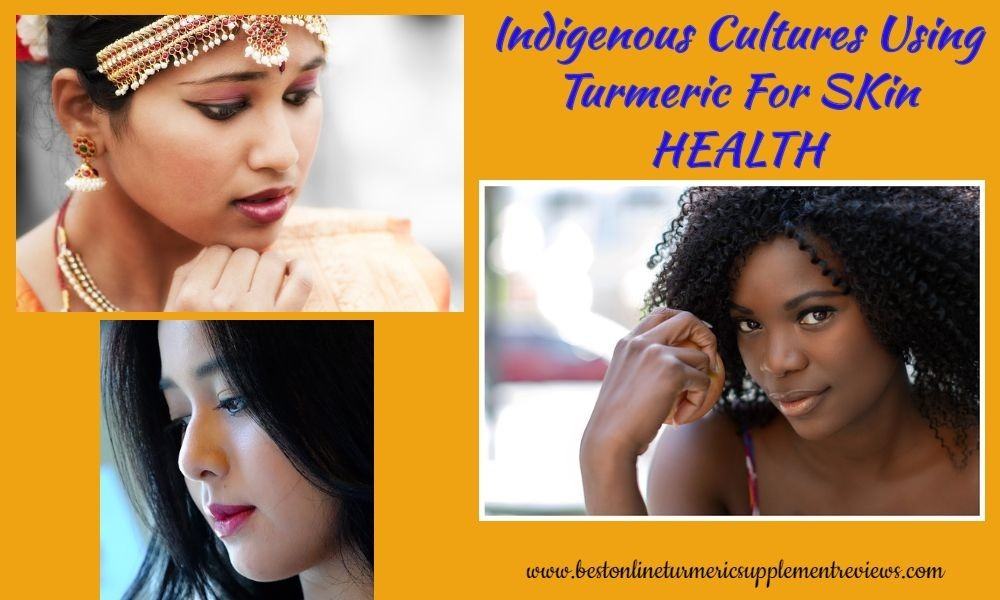
I am from India, what you said is 100% true on the benefits we receive from turmeric for our skincare. In the southern part of India, women apply turmeric on their face, legs, and hands and take the bath it’s a common practice.
When people affected by chickenpox, smallpox, etc they take the bath in the turmeric water.
Although I know some benefits of turmeric, after reading your informative post I got great insights. I shared your post with my wife and she said you have provided great value from your post and she gonna practice what she learned from your post (already she takes bath by applying turmeric).
The information you shared on turmeric fighting skin cancer is an eye-opener for me and I am not aware of it.
Much Success,
Paul
Thank! And you Wife for the lovely endorsement.
I have so much respect from your culture and the use for more than just the way turmeric has skin benefits. Much of the wealth of knowledge I am learning is from Indian Auryvedic Medicine.
Turmeric for Cancer is very much in the spotlight right now!
Many of the pre-clinical studies is rats are revealing many un-deniable results which are in will be in my upcoming article covering many of the differing Cancers which is becoming so inspiring Paul.
Very nice of you to stop my and offer you encouragement.
Regard Rob
A very well detailed and insightful post. I know turmeric well for acne cure; Turmeric is excellent for acne due to the fact that it is a natural antiseptic and it helps to keep bacteria from spreading. From my experience It’s much more effective when combined with apple cider vinegar which also has astringent properties, which means it plays the same role as your average toner. I’m sharing this write-up right away.
Regards!
Hi Jordan. Thanks for stopping by here:)
I too have and still use apple cider vinegar for certain treatments typically on my hair. I Haven’t tried it with combining it with turmeric for any skin condition’s and would be wary for things like eczema due to the acidity. But I do feel it would be a good addition if you wanted to dry the skin out. perhaps I will look further into that as an I continue into further turmeric for skin benefits and recipe’s..
Take care Rob.
My daughter have had acne for a about 4months and we have tried various skin care products. It got to a point these products were affecting her skin and causing reacting. Coming across this post gives me some sort of assurance considering what I’ve heard in time past about tumeric that it would do the magic. Thanks for sharing, I’d inform my friends about its importance as well.
Hi Dane. Funny you say that. Mu daughter had a similar issue where she had a terrible patch of eczema on her hand, and she insisted on having something from a chemist before I was aloud to prescribe something from out of the kitchen cupboard:) She got Mild relief from a top suggested cream which in the long run made it worse, an caused it to spread.
Mixing up a couple of turmeric supplement pills with a little coconut oil Cleared it within a few weeks.You can use the raw powder but I chose the capsule powder for the curcumin extraction of turmeric.!.
It is Really Truly Great and well worth your discovery. Love to know how it goes for you daughter.
Kind Regards Rob
Great to learn that tumeric has some anti-inflammatory active. This is a good thing because turmeric is such an easy item to acquire and it is not costly at all.The good thing is that we can directly add to our foods and ingest them directly.
I am glad to know that turmeric can solve some common infections like yeast and athletes foot. Those are very insightful uses of turmeric that I think most people have ignored. Thank you for compiling such a useful article,
Will let the world know about TURMERIC!
Your most very welcome. Honestly the pleasure is all mine, sharing this info makes me feel just as good as the benefits i get from its use!:) The inflammation properties of turmeric are the most prolific. And it is in fact inflammation that is a root cause of many ailments.
Thank you for sharing, I really appreciate that
All the best Rob