
Nature’s Lab Gold Turmeric Review (2026): C3 Complex + BioPerine Tested
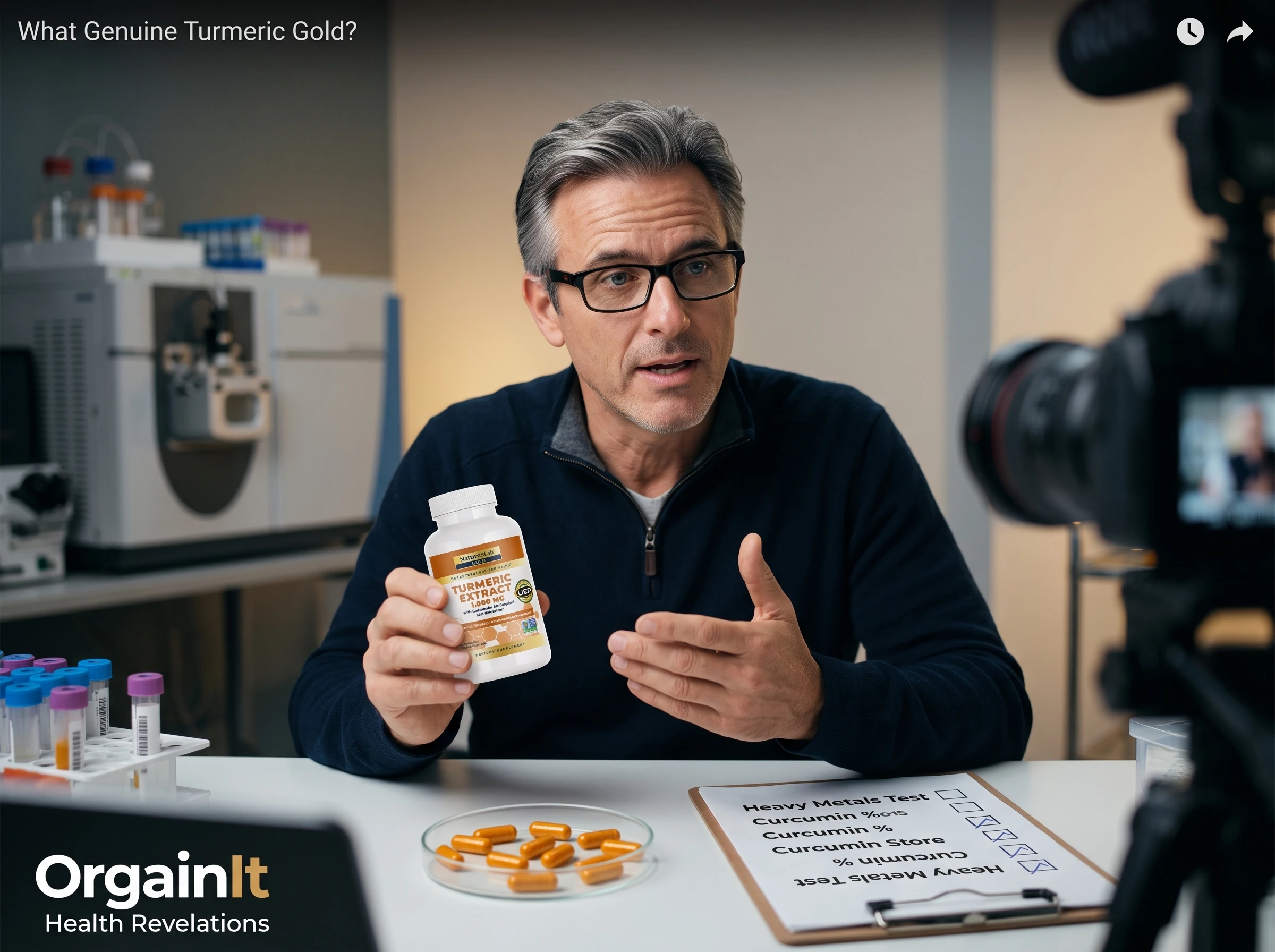
Seven years ago, when I started researching turmeric supplements for my ankle injury, the supplement shelf was a confusing mess of generic “95% curcuminoids” labels with no indication of which formula, which delivery mechanism, or which manufacturer was behind the standardization. Today, that’s changed — and Nature’s Lab Gold Turmeric is a product that actually shows its work.
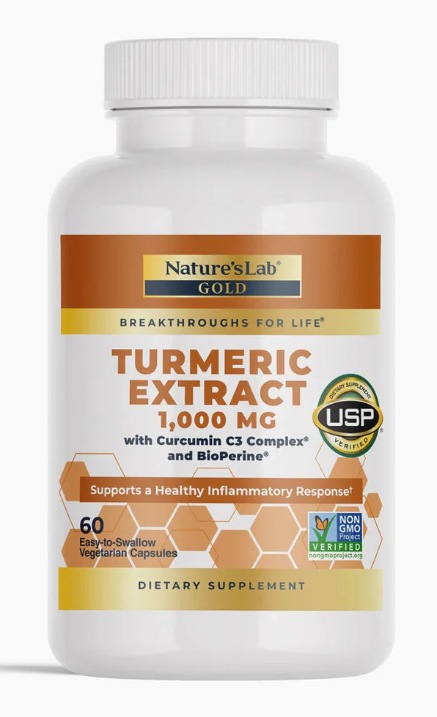
This is one of the few retail-facing products that clearly identifies its curcumin source as Curcumin C3 Complex® by Sabinsa — the patented, three-curcuminoid formula that has been the subject of clinical research since the 1990s. Add BioPerine® to the equation and you have a product that leans on two of the most researched curcumin-related ingredients in the world.
Here’s my honest breakdown — what C3 Complex actually means, how BioPerine® affects absorption, and whether this product earns its place on your supplement shelf in 2026.
9+ years researching turmeric and curcumin supplements. Personal experience with ankle injury and chronic inflammation. No brand affiliations — I evaluate formulas on clinical evidence, not marketing. Read my full story →
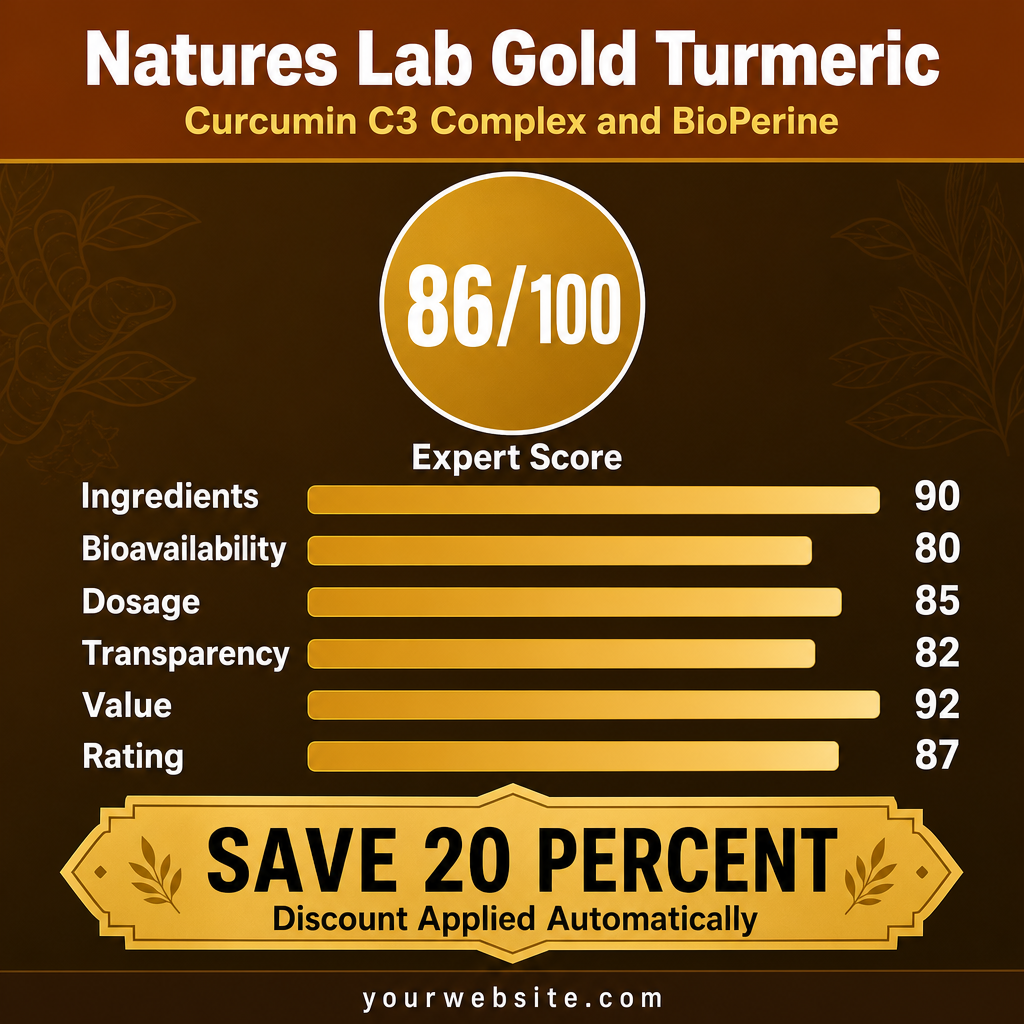
Nature’s Lab Gold Turmeric — Expert Scorecard
- ✓ Sabinsa’s patented C3 Complex® formula
- ✓ 95% standardized curcuminoids
- ✓ BioPerine® clinically proven absorption
- ✓ Vegetarian capsules, clean label
- ✓ 20% discount via Robert’s link
- ✗ Contains piperine — avoid with certain meds
- ✗ Conventional delivery vs advanced tech (CurcuWin/BCM-95)
- ✗ Only available via Nature’s Lab website
- ✗ Dosage per capsule not prominently listed
What Is Nature’s Lab Gold Turmeric?
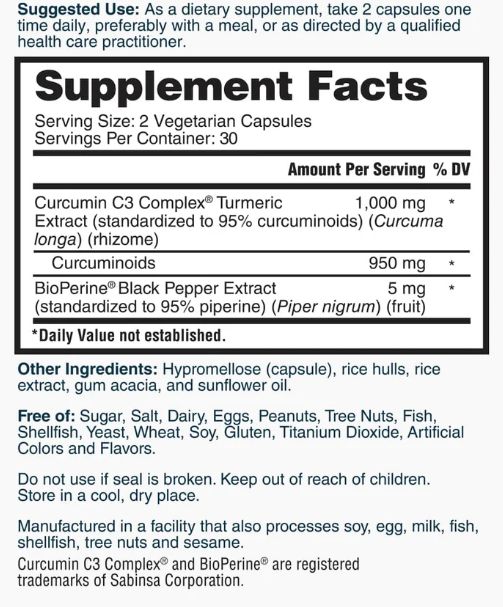
Nature’s Lab Gold Turmeric is a turmeric supplement sold directly through natureslab.com. It contains two key branded ingredients: Curcumin C3 Complex® (Sabinsa Corporation) and BioPerine® (also Sabinsa). The formula is standardized to 95% curcuminoids — the active compounds in turmeric — and comes in vegetarian capsules, dosed at 2 capsules daily with a meal.
What separates this from generic “turmeric extract” products is the provenance of its curcumin. Sabinsa’s C3 Complex® is not just a standardized extract — it’s a patented formulation that preserves the natural ratio of all three curcuminoids present in the turmeric rhizome. That distinction matters more than most product labels will tell you.
Understanding Curcumin C3 Complex® — The Three-Curcuminoid Formula
The “C3” in C3 Complex stands for the three curcuminoids naturally found in turmeric:
- Curcumin (~75%) — the primary active compound, responsible for the bulk of turmeric’s anti-inflammatory and antioxidant activity
- Demethoxycurcumin (DMC) (~15%) — similar activity to curcumin; some research suggests complementary pathways
- Bisdemethoxycurcumin (BDMC) (~10%) — the least studied of the three, but part of the natural curcuminoid “pharmaco-crystal” complex Sabinsa argues is essential for optimal activity
Most generic “95% curcuminoids” extracts achieve that standardization by concentrating curcumin while allowing DMC and BDMC levels to vary. Sabinsa’s C3 Complex® is patented specifically for its consistent, controlled ratio of all three. That’s not a marketing claim — it’s a chemical composition patent with documented quality controls.
C3 Complex® was described in a 1995 paper as a “bioprotectant” — a term coined to describe its broad protective activity across multiple physiological systems. Since then, it’s been used in numerous clinical investigations targeting inflammation, including a peer-reviewed trial using 4.5g/day of oral Curcuminoid C3 Complex® in patients with moderate-to-severe psoriasis vulgaris (Kurd SK et al., J Am Acad Dermatol. 2008; PMID 18249471).
BioPerine® — What the 2000% Absorption Claim Actually Means
BioPerine® is an extract of black pepper (Piper nigrum) standardized to 95% piperine. It’s also made by Sabinsa — which means the same company that developed C3 Complex® also developed the absorption enhancer in this formula. That co-development isn’t accidental.
The landmark 1998 study by Shoba G et al. (Planta Med. 1998;64(4):353–6. PMID 9619120) found that adding 20mg of piperine to 2g of curcumin increased curcumin bioavailability by up to 2000% in human subjects. The mechanism: piperine inhibits glucuronidation — the metabolic process that rapidly breaks down curcumin in the gut and liver before it can reach circulation.
It’s an impressive statistic. But two caveats are worth knowing:
- Piperine interacts with medications. It inhibits the same enzyme pathways (CYP3A4, P-glycoprotein) that metabolise many prescription drugs, including blood thinners, diabetes medications, and chemotherapy agents. If you take any prescription medication, speak to your doctor before combining piperine with it.
- It’s a different mechanism than advanced delivery tech. Products like CurcuWin® (46× bioavailability via OmniSome emulsion) or BCM-95® (7× via turmeric essential oils) use structural delivery innovations rather than metabolic inhibition. BioPerine® works; it’s just a different — and older — approach. For most people, especially those not on medications, it works well.
What Nature’s Lab Gold Turmeric Claims to Support
Nature’s Lab lists four primary benefit areas, all backed by asterisked disclaimers (as required by FTC/FDA for supplements):
- Joint health — defending against free radicals that contribute to joint degradation
- Immune, digestive, and liver health — curcumin’s broad antioxidant activity
- Skin health — curcuminoids’ role in supporting collagen integrity and oxidative stress reduction
- Enhanced absorption — via BioPerine® piperine co-administration
These are well-supported areas of turmeric research. The key is understanding that the benefits come from consistent, long-term use — not an overnight fix. Most people notice meaningful changes in inflammation markers and joint comfort within 4–8 weeks of daily use at therapeutic doses.
Dosage: How to Take It
The recommended dose is 2 capsules once daily, preferably with a meal. Curcumin is fat-soluble, so taking it alongside a meal containing healthy fats (avocado, olive oil, nuts) will improve absorption beyond what BioPerine® alone provides.
For inflammation support, most research uses doses between 500mg–2000mg of curcuminoids daily. Check the current label for the per-capsule curcuminoid content before starting — Nature’s Lab may update formulations, and verifying the dose against your specific health goals is important. If you’re managing joint pain or arthritic conditions, 2 capsules daily is a reasonable starting point; some research protocols go higher under clinical supervision.
How Long Before Nature’s Lab Gold Turmeric Works?
The timeline question is the one most buyers want answered before committing. Based on the clinical trial data for C3 Complex® and observed patterns across the broader curcumin research base:
⏱️ Expected Results Timeline with Nature’s Lab Gold
Curcumin begins scavenging reactive oxygen species immediately. You may notice yellow-tinted stools (harmless — curcumin pigment), and mild GI adjustment in the first week. Take with a fat-containing meal to minimise any discomfort.
Most users report the first noticeable changes here — reduced morning joint stiffness, marginally better post-exercise recovery, improved digestive comfort. Anti-inflammatory cytokine modulation is underway but not yet at full clinical effect.
The key RCT (PMID 27470399) ran 8 weeks and demonstrated statistically significant reductions in TNF-α, IL-6, and IL-8. This is where the clinical evidence is strongest. Commit to the full 8-week window before evaluating whether the supplement is working for you.
Full dosing guide: How to Use Turmeric C3 Complex — Timing, Fat Pairing, and Absorption →
Who Should Avoid It
Nature’s Lab Gold Turmeric is not suitable for everyone:
- Anyone on prescription medications — especially blood thinners (warfarin), diabetes drugs, or chemotherapy. BioPerine® can significantly alter drug metabolism.
- Pregnant or lactating women — high-dose curcumin supplementation is not well-studied in pregnancy
- People with gallbladder disease — curcumin stimulates bile production, which can aggravate gallstones
- Those with piperine sensitivity — rare, but some people experience GI discomfort from black pepper extract
Nature’s Lab Gold Turmeric vs Alternatives
To put this product in context against other formulations we’ve reviewed on this site:
| Product | Formula | Absorption Tech | Best For | Score |
|---|---|---|---|---|
| Nature’s Lab Gold | C3 Complex® + BioPerine® | Piperine | Daily support, value | 86/100 |
| ARG CurcuWin 500 | CurcuWin® (OmniSome) | Emulsion (46×) | Max bioavailability | 93/100 |
| ND Meriva Phytosome | Meriva® (phytosome) | Phospholipid (29×) | Joints, piperine-free | 91/100 |
| Terry Naturally CuraMed | BCM-95® (turmerones) | Turmerones (7×) | Research-heavy users | 89/100 |
| Transparent Labs C3 | C3 Complex® + BioPerine® | Piperine | Best COA transparency | 87/100 |
| Doctor’s Best C3 Complex | C3 Complex® + BioPerine® | Piperine | Best cost-per-serving | 85/100 |
Bottom line on comparisons: If maximum bioavailability is your priority and you want to avoid piperine, explore CurcuWin-based options or Meriva phytosome products. Nature’s Lab Gold is the right choice if you want a well-researched, patent-backed formula at an accessible price point — especially with the 20% discount.
Final Verdict: Is Nature’s Lab Gold Turmeric Worth It?
Yes — with caveats. Nature’s Lab Gold Turmeric earns an 86/100 on our scorecard. The C3 Complex® pedigree is real — Sabinsa’s formulation has decades of research behind it and is one of the most trusted curcuminoid sources in the supplement industry. BioPerine® enhances what would otherwise be very poor oral absorption.
The product doesn’t reach the top of our bioavailability rankings — that space belongs to lipid-based delivery systems like CurcuWin and Meriva. But for someone who wants a clean, proven, piperine-enhanced formula at a strong price point (especially 20% off), this is a solid recommendation. Just check your medication list first.
Exclusive Reader Discount
Save 20% on Nature’s Lab Gold Turmeric
Discount applied automatically at checkout via this link
Claim My 20% Discount →? Save This for Later
Browse Robert’s full curcumin supplement collection — organised by formulation, health goal, and budget.
View Full Curcumin Collection on Benable →Save This to Pinterest — Plus Your 20% Discount
Share this review or pin it for later. Your 20% discount via Robert’s link is encoded automatically — no code to remember.
Related Guides
? C3 Complex Cluster + Related Reading
- What Is Turmeric C3 Complex? — The Definitive Authority Guide
- Best C3 Complex Supplements — Full Buyer’s Guide (All 3 Reviewed)
- Transparent Labs Curcumin C3 Review (87/100 — Best COA transparency)
- Doctor’s Best C3 Complex Review (85/100 — Best cost-per-serving)
- C3 Complex vs Generic Curcumin — What’s the Actual Difference?
- How to Use C3 Complex: Dosage, Timing and Absorption
- C3 Complex for Inflammation — RCT Evidence and Dosage
- C3 Complex Side Effects and Drug Interactions
- Turmeric for Inflammation: Clinical Evidence Guide
- Turmeric for Arthritis: What 5 Clinical Trials Show
- What Is BCM-95® Curcumin? The Full Science Guide
- Meriva® Curcumin — Best for Joints and Medication Users
- 7 Factors to Consider When Selecting a Turmeric Supplement
Frequently Asked Questions
What is Curcumin C3 Complex® in Nature’s Lab Gold Turmeric?
Curcumin C3 Complex® is a patented curcuminoid formula developed by Sabinsa Corporation. It standardizes the three naturally occurring curcuminoids in turmeric — curcumin, demethoxycurcumin, and bisdemethoxycurcumin — to a controlled, patent-protected ratio. This is different from generic 95% curcuminoid extracts, which may not consistently preserve all three compounds.
How does BioPerine® help with turmeric absorption?
BioPerine® is a black pepper extract standardized to 95% piperine. A 1998 clinical study (PMID 9619120) found that piperine increased curcumin bioavailability by up to 2000% by inhibiting glucuronidation — the process that normally breaks down curcumin before it reaches the bloodstream. It works, but those on medications should check with a doctor first as piperine can affect drug metabolism.
Is Nature’s Lab Gold Turmeric good for joint pain?
It’s a credible choice for joint support. The C3 Complex® formula targets free radicals that contribute to joint degradation, and BioPerine® ensures curcumin reaches your system. For more serious joint conditions, a phytosome formula like Meriva® (29× absorption, piperine-free) may deliver more curcumin to target tissues, but Nature’s Lab Gold is a solid, accessible option with proven ingredients.
When is the best time to take Nature’s Lab Gold Turmeric?
Take 2 capsules once daily with a meal that contains fat. Curcumin is fat-soluble — eating it alongside healthy fats (olive oil, avocado, nuts) significantly improves absorption beyond what BioPerine® alone provides. Consistency matters more than timing; make it a daily habit with a meal you don’t skip.
Can I take Nature’s Lab Gold Turmeric with other supplements?
Generally yes, but the BioPerine® (piperine) component can affect how medications and some supplements are metabolised. It’s safe to stack with most general supplements. However, if you’re taking any prescription medication — especially blood thinners, diabetes drugs, or statins — consult your doctor before adding any piperine-containing supplement.
How does Nature’s Lab Gold compare to CurcuWin® or Meriva® products?
Nature’s Lab Gold uses piperine-enhanced C3 Complex® — a research-backed but older bioavailability approach. CurcuWin® (OmniSome emulsion) achieves 46× higher absorption than standard extract; Meriva® (phytosome) achieves ~29× — both without piperine. Nature’s Lab scores slightly lower on bioavailability but wins on price accessibility, especially at 20% off. If you’re medication-free and value is a priority, Nature’s Lab is excellent. If you need piperine-free or maximum bioavailability, look at CurcuWin or Meriva.
Is there a discount for Nature’s Lab Gold Turmeric?
Yes — Robert’s affiliate link (natureslab.com/ROBERT40445) includes an encoded 20% discount that applies automatically at checkout. There’s nothing extra to enter. Click the link and the discount is already applied when you reach the product page.
Who should avoid Nature’s Lab Gold Turmeric?
Avoid if you are pregnant or breastfeeding, have gallbladder disease (curcumin stimulates bile), or are taking medications that are metabolised via CYP3A4 or P-glycoprotein pathways (many blood thinners, diabetes drugs, some antibiotics). The piperine in BioPerine® can significantly alter how these drugs work. Always consult a healthcare provider before starting any new supplement.
? C3 Complex Cluster + Related Reading
- What Is Turmeric C3 Complex? — The Definitive Authority Guide
- Best C3 Complex Supplements — Full Buyer’s Guide (All 3 Reviewed)
- Transparent Labs Curcumin C3 Review (87/100 — Best COA transparency)
- Doctor’s Best C3 Complex Review (85/100 — Best cost-per-serving)
- C3 Complex vs Generic Curcumin — What’s the Actual Difference?
- How to Use C3 Complex: Dosage, Timing and Absorption
- C3 Complex for Inflammation — RCT Evidence and Dosage
- C3 Complex Side Effects and Drug Interactions
- Turmeric for Inflammation: Clinical Evidence Guide
- Turmeric for Arthritis: What 5 Clinical Trials Show
- What Is BCM-95® Curcumin? The Full Science Guide
- Meriva® Curcumin — Best for Joints and Medication Users
- 7 Factors to Consider When Selecting a Turmeric Supplement
This was a very informative review. I knew turmeric had a reputation for helping with inflammation, but I didn’t realize there were so many differences between formulations or that ingredients like BioPerine could have such a significant impact on absorption. I also appreciated that you took the time to explain who shouldn’t take it, especially people on prescription medications. That kind of balanced information helps build trust.
I’ve been trying to make healthier choices over the past year, and supplements are one area where it’s easy to get overwhelmed by marketing claims. Reviews like this that explain the science behind the ingredients are much more helpful than simply saying a product is “the best.”
If someone has never taken a turmeric supplement before, would you recommend starting with a product like this, or would you suggest they first try increasing turmeric in their diet before moving to a concentrated supplement?
– Scott
Hi Scott, thanks for the kind words — and that’s a genuinely good question that doesn’t get asked enough.
Honest answer: dietary turmeric is great for general cooking and has some benefit, but the bioavailability is so low that you’d need to consume large amounts daily to get anywhere near a therapeutic effect on inflammation. The curcumin content in turmeric powder is only around 3%, and without something like BioPerine to improve absorption, most of it passes straight through.
For someone making a real effort to address inflammation or joint comfort, I’d go straight to a quality supplement — and Nature’s Lab Gold is actually one I’d recommend as a starting point precisely because it’s not overwhelming. The dose is clinically sensible, the C3 Complex + BioPerine formula is the most studied combination out there, and the price per serving is low enough that you can commit to the 8–12 weeks needed to fairly assess whether it’s working for you. Start with one capsule and build from there.
The drug interaction caveat is the one to take seriously — if you’re on blood thinners or similar, check with your GP first. Otherwise, it’s a very well-tolerated place to start.
— Robert
I really appreciate how this review breaks down the difference between generic “95% curcuminoids” and Sabinsa’s patented Curcumin C3 Complex. Too often, supplement labels look impressive but don’t explain what’s actually inside, and this post makes it clear why the three‑curcuminoid formula matters. The explanation of how BioPerine boosts absorption by inhibiting glucuronidation was especially helpful; it’s the kind of detail that shows the product isn’t just marketing hype but is backed by real clinical evidence.
At the same time, I like that the reviewer points out the caveats. The reminder that piperine can interact with medications is important, and the comparison to newer delivery systems like CurcuWin and Meriva helps put Nature’s Lab Gold Turmeric in context. It’s not the absolute leader in bioavailability, but it’s a credible, accessible option with a strong research pedigree. For someone looking at turmeric for inflammation or joint support, this review makes it clear why Nature’s Lab Gold Turmeric earns its place on the shelf.
I have suffered from gout for many years, and I still have attacks every couple of months. I wonder if this would help me with my attacks?
Hi Bishop, thanks for that. You’ve clearly read it closely and I’m glad the glucuronidation detail came through. It’s one of those things that sounds technical but actually explains a lot about why most cheap turmeric products don’t do much.
On gout specifically, I want to be careful because it’s a medical condition and I’m not a doctor, but there is research suggesting curcumin has properties that may help with the inflammatory side of gout flares, since uric acid-driven inflammation is still inflammation. The honest caveat: if you’re on allopurinol or colchicine, the BioPerine/piperine interaction flag I mentioned in the review becomes very relevant for you, so I’d genuinely recommend flagging it with your GP before starting. If the piperine interaction is a concern, it might be worth looking at the Meriva curcumin options as well since those are piperine-free and have strong joint-specific research behind them. Either way, worth the conversation with your doctor.