
Best Turmeric Supplements on AliExpress (2026): A Buyer’s Guide with Strict Criteria
Affiliate Disclosure: This page contains affiliate links. If you purchase through our verified recommendations, we may earn a small commission at no extra cost to you. Please note: we do NOT recommend purchasing turmeric supplements directly on AliExpress. Our affiliate links point only to verified brands sold through reputable channels. See our Testing Protocol for full transparency.
Medical Disclaimer: The content on this page is for informational purposes only and does not constitute medical advice, diagnosis, or treatment. Always consult a qualified healthcare provider before starting any supplement regimen, especially if you are pregnant, nursing, taking prescription medications, or have a pre-existing medical condition.
Quick Answer Box
Can you buy good turmeric supplements on AliExpress in 2026?
 Short answer: We currently advise against it. The risks are serious and well-documented — lead contamination, synthetic curcumin masquerading as natural, counterfeit patented formulations (C3 Complex®, BCM-95®, Longvida®), and zero enforceable quality standards on the platform. After personally searching AliExpress using every legitimate formulation phrase I know, I reached out to a select handful of suppliers for quality data. I’m still waiting on those results. Until independently verified lab data proves otherwise, I cannot recommend buying turmeric supplements from AliExpress.
What you should do instead: Use our verified turmeric supplement recommendations — brands I’ve personally tested against our strict Testing Protocol over nine years.
Table of Contents
- Quick Answer
- Introduction: Why I Searched AliExpress
- Why AliExpress Supplements Carry Unique Risks
- The Contamination Problem
- The Hepatotoxicity Risk
- How to Spot Fake Supplements
- What to Look For: Three Major Formulations
- The Label Decoder
- The COA Checklist
- My Current Search Results
- Better Alternatives
- Frequently Asked Questions
Introduction: Why I Even Searched AliExpress for Turmeric Supplements
By Robert Lees, Founder — BestOnlineTurmericSupplementReviews.com
I’ve been reviewing turmeric and curcumin supplements since 2017. In that time, I’ve personally evaluated more than 50 different formulations, built relationships with ingredient suppliers, and recovered from a stubborn ankle injury that first got me seriously interested in curcumin’s anti-inflammatory potential. I know this market inside out.
So why did I spend weeks digging through AliExpress listings in 2026?
Because you’re searching for it. Traffic data tells me that thousands of people every month are typing “best turmeric supplements AliExpress” into search engines. The appeal is obvious: prices on AliExpress look dramatically cheaper than what you’d pay for a verified brand from a reputable retailer. When a supplement that costs $40 from a US brand appears to cost $6 on AliExpress, the question feels reasonable.
I get it.
But here’s what I found — and it’s not a comfortable answer.
Years ago, I made the mistake of importing a turmeric brand through a grey-market channel. I didn’t know what I know now about lead chromate adulteration, synthetic curcumin, or how to read a Certificate of Analysis. When I eventually had that product tested, the results were alarming enough that I threw the entire bottle away and spent the next year building the rigorous testing framework I now use for every review on this site.
That experience is part of why I built this site in 2017. And it’s why I approached the AliExpress question with genuine curiosity — and genuine dread.
This guide will give you the full picture: the science behind the contamination risks, how to decode supplement labels, how to spot fakes, what “good” actually looks like, and where things stand with my ongoing AliExpress supplier outreach. If by the end you still want to search AliExpress yourself, at least you’ll know exactly what you’re looking for — and the non-negotiable standards that no supplier can skip.
Why AliExpress Turmeric Supplements Carry Unique Risks
Before we get into the contamination science, it’s worth understanding why AliExpress specifically creates a different risk environment than buying from Amazon, iHerb, or directly from a US-based brand.
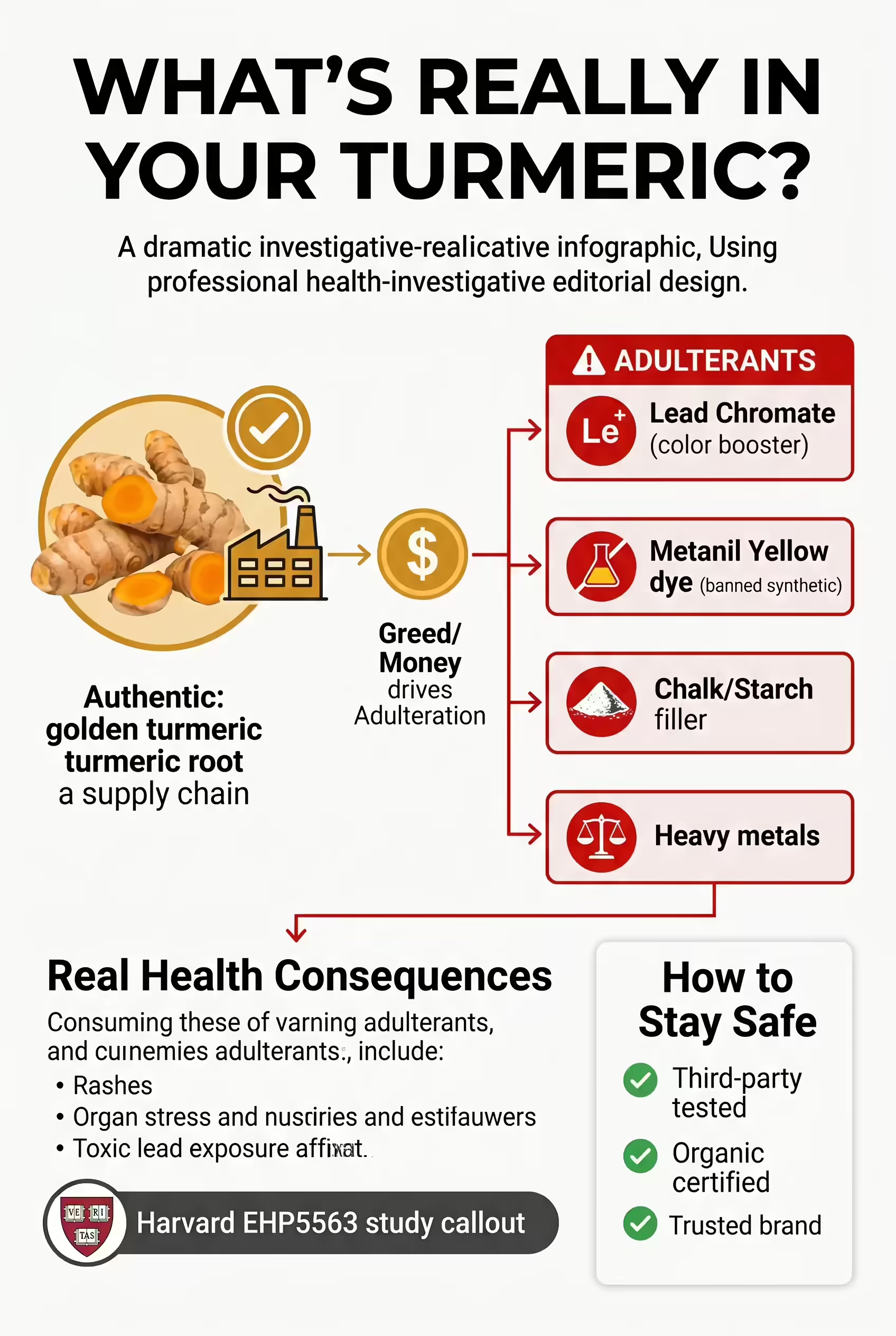
Lead chromate, synthetic dyes, and undeclared fillers are common adulterants in unregulated turmeric supplements. Source: PMID 28358991, PMID 41452918.
No FDA Pre-Market Oversight on the Platform
AliExpress operates under Chinese e-commerce regulations, not US FDA/FTC/DSHEA rules. Products shipped internationally are rarely inspected unless specifically flagged. There is no pre-market approval requirement — any seller can list a dietary supplement claiming any ingredient they like, with no verification required by the platform.
In the US, dietary supplement manufacturers are required under 21 CFR Part 111 to follow Good Manufacturing Practice (GMP) guidelines. AliExpress imposes no equivalent requirement on its sellers. You have no way of knowing whether a seller’s product was made in a certified facility or a back-room operation.
Trademark Claims Without Licensing
This is the one that kept me up at night during my research.
Patented turmeric formulations — Curcumin C3 Complex® (Sabinsa), BCM-95® (Arjuna Natural), and Longvida® (Verdure Sciences) — represent the legitimate, clinically studied bioavailability technologies in this market. These ingredients require signed trademark licensing agreements with the respective ingredient suppliers. Brands must purchase the ingredient directly from Sabinsa, Arjuna Natural, or Verdure Sciences, and must display the registered trademark logo on the label.
AliExpress sellers routinely list products claiming these ingredient names. But there is no verifiable mechanism to confirm they hold a licensing agreement — or that they’ve ever purchased the genuine ingredient. The trademark license agreements explicitly prohibit resale of bulk raw material to third parties. This means that even if an AliExpress seller bought what they believed to be genuine bulk C3 Complex from a third-party distributor, they may be selling an adulterated or mislabeled product.
No COA Requirement
AliExpress does not require sellers to provide Certificates of Analysis. When a seller says “we have COA available,” there’s no guarantee that COA is from an accredited laboratory, that it covers the specific batch you’re buying, or that it includes a heavy metals panel. As we’ll cover shortly, a clean-looking COA means nothing without the right tests from the right labs.
The Community Consensus
This isn’t just my assessment. The Reddit supplement community — one of the more rigorous consumer verification communities — has reached a consistent consensus. A widely-shared thread in r/Supplements carries a PSA: “Don’t buy supplements from AliExpress” — noting that AliExpress is “notorious for counterfeit goods” and “you have no way to guarantee what you are putting in your body.” [Source: reddit.com/r/Supplements/comments/1ftr8l9/]
In July 2024, a Reddit user purchased a supplement specifically from AliExpress to test its legitimacy through lab testing. The results confirmed their suspicions. [Source: reddit.com/r/Aliexpress/comments/1e2wual/]
These aren’t anecdotes from people who don’t understand supplements. They’re from people who understand them very well.
The Contamination Problem: What the Science Actually Says
Let’s be precise here. I’m not going to cherry-pick scary headlines. I’m going to walk you through the peer-reviewed science on turmeric contamination, with sources you can verify.
Lead Chromate: The Yellow Threat in Raw Turmeric
Lead chromate (PbCrO4) is a bright yellow industrial pigment. It is added to raw turmeric during post-harvest processing — boiling and polishing — to intensify the spice’s yellow color and conceal pest damage or blemish spots. Visually, it looks identical to the curcumin pigment it’s masking.
The problem is that lead from turmeric is extraordinarily bioavailable. Research published in Public Health Reports found that lead bioaccessibility in turmeric averages 70%, with a range of 50–100%. [Source: PMID 28358991] That means the majority of lead ingested through contaminated turmeric passes into your bloodstream — far higher than the bioavailability of lead from other common exposure sources.
In a study examining 32 turmeric samples purchased from grocery stores in Boston between 2011 and 2012, lead was detected in every single sample. The median concentration was 0.11 ppm, but the range extended to a shocking 99.50 ppm at the high end. Sixteen of the 32 samples exceeded the FDA’s maximum lead level for candy (0.1 ppm). [Source: PMID 28358991]
This isn’t ancient history. A 2024 study documented lead chromate adulteration across South Asian supply chains, including in India, Pakistan, Sri Lanka, Nepal, and Bangladesh — confirming this remains a present-day problem, not a historical artifact. [Source: PMID 39053552]
The geographic source matters when evaluating AliExpress products. Bangladesh and India are the world’s largest turmeric exporters, and AliExpress listings predominantly source from these regions. Research published in Environmental Research found lead concentrations as high as 483 ppm in Bangladesh turmeric samples, with 7 of the 9 major turmeric-producing districts in Bangladesh showing evidence of lead chromate adulteration. [Source: PMID 25214856]
This isn’t a case of occasional bad actors. It’s a systemic supply-chain problem with documented regulatory failures at the source.
Real Victims: Children and Adults in the US
The contamination doesn’t stay abstract. In 2019, childhood lead poisoning in Las Vegas was directly attributed to turmeric spice consumption, documented in the CDC’s Morbidity and Mortality Weekly Report. [Source: PMID 34758013]
Between 2011 and 2016, 13 turmeric brands were voluntarily recalled in the US for lead contamination. The FDA issued Import Alert #28-13 in December 2016 specifically targeting lead-contaminated turmeric. Cases of childhood lead poisoning associated with turmeric have been documented in Arizona, California, Colorado, Connecticut, and New York.
If you’re buying raw turmeric powder-based supplements from AliExpress — as opposed to highly purified curcumin extracts — you are buying a product that may share a supply chain with spice implicated in childhood lead poisoning cases.
Synthetic Curcumin: The Petrochemical Imposter
Lead contamination gets most of the press. But there’s a second contamination problem that almost no one is talking about: synthetic curcumin. For a complete breakdown of what it is, how to detect it, and why it has no safe dose, see my full guide.
Curcumin can be synthesized from petroleum-derived starting materials. The synthetic version has an identical chemical structure to natural curcumin — meaning standard HPLC potency testing cannot distinguish between them. Synthetic curcumin costs less to produce and is used to adulterate or entirely replace natural curcumin in products that claim to be “all-natural” or “plant-derived.”
The only reliable way to detect synthetic curcumin is Carbon-14 (C14) testing via Accelerator Mass Spectrometry. Petrochemical-derived synthetic curcumin contains no Carbon-14 — because it comes from fossil hydrocarbons, not living plants. Natural, plant-derived curcumin contains C14. This test is expensive, not widely available, and virtually never requested by consumers.
Research published in Food Chemistry (doi:10.1016/j.foodchem.2021.131007) analyzed turmeric supplements claiming to be “all-natural sourced” using C14 testing. The findings were significant enough that Sabinsa Corporation — the maker of Curcumin C3 Complex® — implemented mandatory C14 testing for all C3 Complex lots starting in 2015 as a direct response to synthetic curcumin adulteration in the marketplace.
Does synthetic curcumin carry the same biological effects as natural curcumin? The honest answer is: we don’t know with certainty. The two are chemically identical, but natural turmeric contains a complex of bioactive compounds — curcuminoids, turmerones, other phytochemicals — that may contribute to observed effects in ways that isolated synthetic curcumin does not replicate.
AliExpress sellers almost never provide C14 certificates. You have no means to verify whether the curcumin in a cheap AliExpress supplement is natural or petroleum-derived.
Additional Adulterants: A Global Problem
A 2025 scoping review examining 48 articles from six continents documented the full landscape of turmeric adulteration worldwide. [Source: PMID 41452918] Beyond lead chromate and synthetic curcumin, documented adulterants in commercial turmeric include:
- Metanil Yellow — a banned azo dye with potential carcinogenic and neurotoxic properties, detectable only by spectroscopy [Source: PMID 28231130]
- Undeclared diluents — cassava starch, rice starch, chalk powder used to bulk out extract weight
- Other Curcuma species — Curcuma aromatica and Curcuma zedoaria substituted for genuine turmeric
- Pesticide residues — from unregulated agricultural practices
- Artificial dyes — tartrazine and other synthetic colorants
The 2025 market assessment that studied 125 turmeric supplement preparations across Australia, Germany, India, the UK, and the USA found that 34% of products failed to disclose their active curcuminoid content. If regulated markets show this level of label dishonesty, the situation on an unregulated cross-border platform like AliExpress is almost certainly worse.
The Hepatotoxicity Risk You’re Probably Not Thinking About
Contamination isn’t the only risk with unverified turmeric supplements. There’s a separate, emerging safety concern that the US Pharmacopeia (USP) is now taking seriously: liver injury.
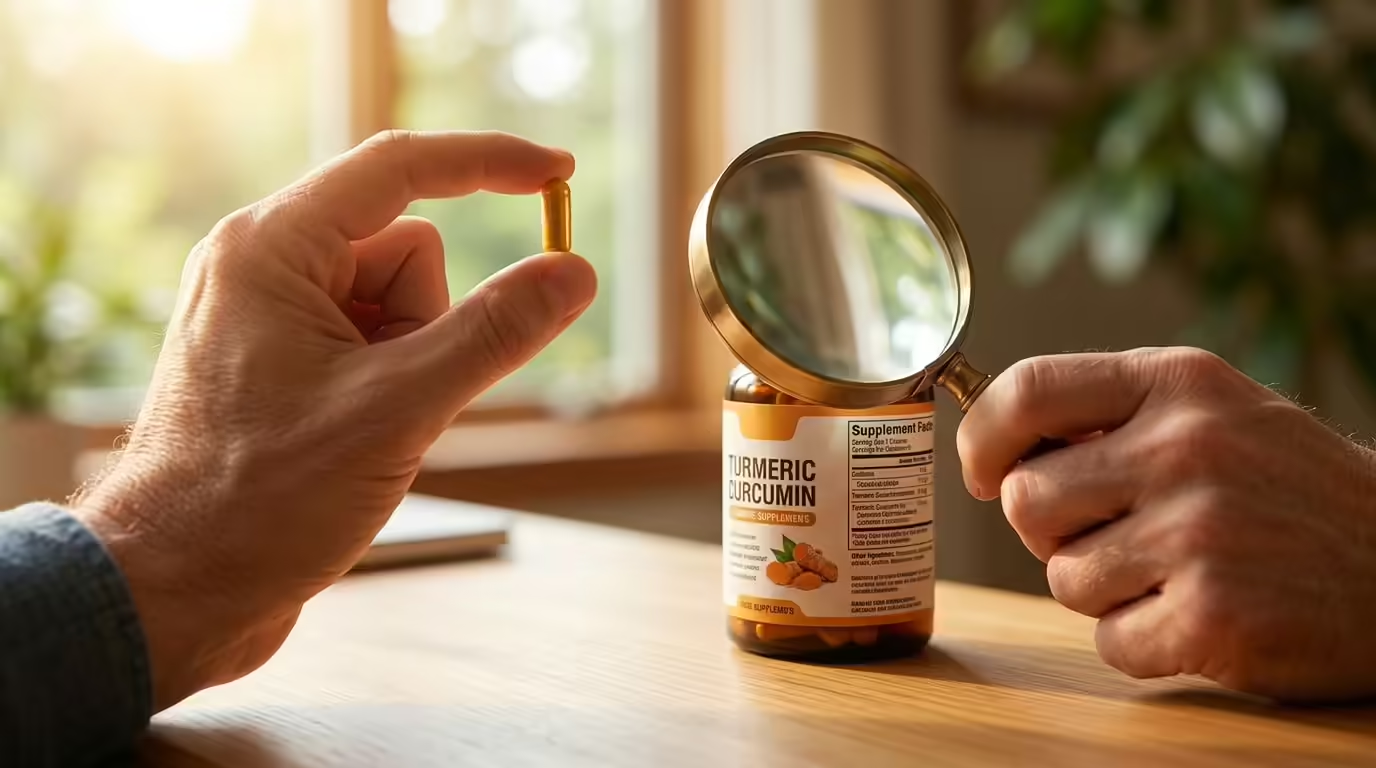
Verifying supplement labels against independent testing is the only way to confirm safety.
The USP reviewed rarely-reported cases of hepatotoxicity associated with turmeric and curcuminoid supplements and recommends adding a cautionary label to all turmeric and curcuminoid monographs: “Liver problems have been reported very rarely in people taking supplements containing turmeric and/or curcuminoids.” [Source: PMID 42364655]
The numbers from regulatory bodies are sobering:
- France/Italy: 120 adverse event reports between 2009 and 2021, including 40+ cases of hepatitis and 4 life-threatening cases (ANSES 2022)
- Australia TGA: 18 documented cases; 9 with sufficient data for causality assessment; 1 death (TGA 2023)
- US Drug-Induced Liver Injury Network (DILIN): 10 turmeric-associated DILI cases out of 345 herbal/supplement cases recorded between 2004 and 2022
Critically, high-bioavailability formulations carry elevated hepatotoxicity risk. Australia’s TGA specifically concluded that risk was increased “particularly at high doses or in formulations designed to increase bioavailability.” Products containing piperine (BioPerine) — which blocks the liver enzymes that would normally metabolize curcumin — have been associated with higher rates of liver injury reports.
A study of 87 unique US turmeric supplements found that 24% contained piperine. [Source: PMID 29808963] When you buy an AliExpress supplement with an unverified bioavailability claim and an unknown piperine dose, you are accepting hepatotoxicity risk with no quality verification as a backstop.
For more detail on side effects and drug interactions, see our dedicated guide: Side Effects of Turmeric.
How to Spot Fake Supplements on AliExpress
If you’re determined to search AliExpress, here’s how to read a listing the way I do.
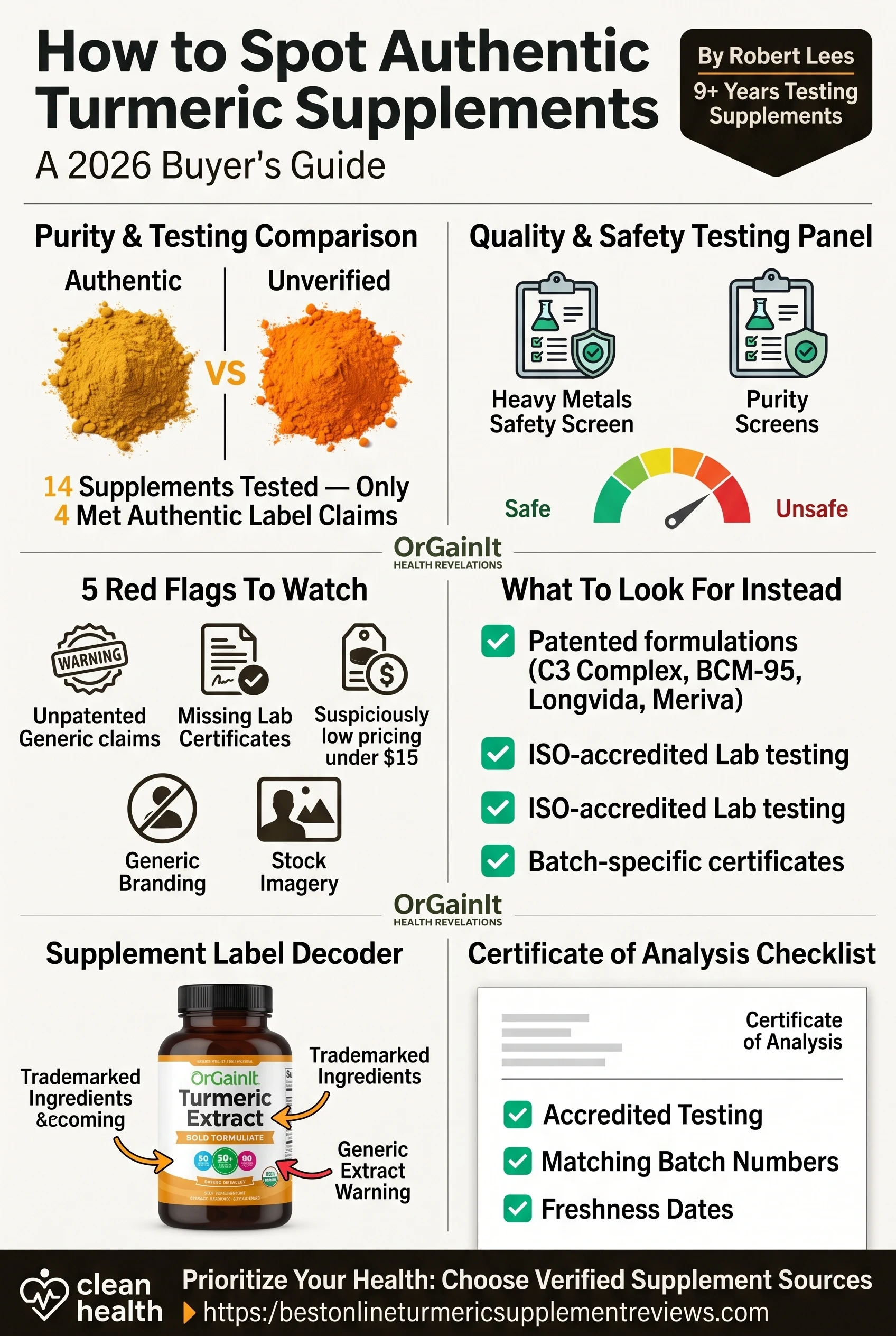 Red Flags That Should Stop You Cold
Claimed patented formulations without trademark logos. If a listing says “C3 Complex” or “BCM-95” or “Longvida” without displaying the registered trademark symbol (®) and the respective ingredient supplier’s logo or attribution on the product label (not just in the listing description), treat it as a red flag. Legitimate licensees are required to display these elements.
No batch or lot number. Any quality supplement has a traceable lot number. No lot number means no ability to pull a COA for the specific product you received.
No named GMP certification body. “GMP certified” is a meaningless claim without a named certifying organization. ISO, NSF International, and similar bodies certify facilities and their certifications are verifiable.
No third-party testing seal. NSF International, USP Verified, Informed Sport, ConsumerLab — these are the organizations whose testing seals carry real weight. The absence of any of these is a warning sign; the presence of a fake or unverifiable seal is worse.
Price significantly below market rate. Genuine Curcumin C3 Complex® bulk material costs a meaningful amount per kilogram even at manufacturer pricing. Products priced so cheaply that the math simply doesn’t work are either underdosed, mislabeled, or adulterated.
Excessive dosage claims. “10,000 mg turmeric” sounds impressive, but bioavailability is determined by the formulation, not the raw weight. Massive dosage claims without formulation information signal that a seller is exploiting consumer confusion rather than offering a quality product.
No heavy metals testing in the COA. Any COA that doesn’t include a heavy metals panel — lead, cadmium, arsenic, mercury at minimum — is incomplete for a turmeric product given the documented lead contamination history of the supply chain.
“All-natural” claim without C14 documentation. Without Carbon-14 testing, “all-natural” claims for curcumin content are unverifiable.
What Genuine Green Flags Look Like
- Named patent/trademark with proper ® symbol: Curcumin C3 Complex® with Sabinsa logo, BCM-95® or Curcugreen® with Arjuna Natural attribution, Longvida® with Verdure Sciences attribution
- Third-party testing seal from an accredited organization with a verifiable certificate number
- Batch-specific COA from an ISO-accredited lab showing heavy metals panel and curcuminoid content
- GMP certification with the certifying body named and verifiable
- Curcuminoid percentage clearly stated (e.g., “95% curcuminoids” or specific mg per capsule)
- Contact information that leads to a verifiable brand website
What to Look For Instead: Decoding the Three Major Formulations
Understanding what makes a turmeric supplement genuinely worth buying requires understanding the bioavailability problem first.

Patented formulations like Longvida®, C3 Complex®, and BCM-95® require dramatically different doses due to enhanced bioavailability.
Standard curcumin has notoriously poor oral bioavailability. At a dose of 3.6 grams — far more than most people take — blood serum levels reach only approximately 11 nmol/L. The molecule has low water solubility (around 30 nM), degrades rapidly in neutral-to-alkaline conditions, and is metabolized quickly in the gut. [Source: PMC10061533]
Three generations of formulation technology exist to address this. Here’s how the major patented formulations work — and how to verify them.
Curcumin C3 Complex® (Sabinsa Corporation)
What it is: A standardized extract containing three curcuminoids — curcumin, desmethoxycurcumin, and bisdesmethoxycurcumin — at approximately 95% total curcuminoids. Typically co-formulated with BioPerine® (Sabinsa’s branded piperine) to inhibit the metabolic enzymes that would otherwise rapidly clear curcumin from the body.
Generation: First-generation (enzyme inhibition approach).
Why it matters for authentication: Sabinsa has operated a mandatory C14 testing program for all C3 Complex lots since 2015. This means every genuine lot of C3 Complex has documentary proof that the curcumin is plant-derived, not synthetic. This is a significant quality assurance step that most brands — and all AliExpress sellers — cannot match.
How to verify authenticity: 1. Sabinsa logo must appear on the label alongside the C3 Complex® trademark 2. Contact Sabinsa directly at curcuminoids.com to verify the brand is a licensed customer 3. Request the C14 certificate for your specific lot number 4. BioPerine® should also appear on the label (it’s Sabinsa’s piperine product)
AliExpress risk level: CRITICAL. Sabinsa’s trademark license agreement prohibits resale of bulk C3 Complex raw material to unauthorized third parties. No AliExpress seller can demonstrate a valid licensing relationship with Sabinsa through that platform.
If you want a verified C3 Complex product, see our dedicated reviews: Turmeric C3 Complex Reviews
BCM-95® / Curcugreen® (Arjuna Natural Extracts)
What it is: A 95% curcuminoid complex combined with turmeric essential oils — specifically the ar-turmerone fraction. This essential oil component is what distinguishes BCM-95 from plain 95% curcumin extract, and it’s patented by Arjuna Natural. The essential oil enhances absorption without requiring piperine.
Generation: First-generation (essential oil absorption enhancement).
FDA status: Confirmed GRAS (Generally Recognized as Safe) by the FDA. [Source: prnewswire.com/news-releases/arjuna-natural-bcm-95-curcumin-confirmed-by-fda-638268643.html]
The authentication test: A genuine BCM-95 COA will show both the curcuminoid content AND the presence of ar-turmerone. If the COA shows curcuminoids only — with no essential oil fraction — you’re looking at standard 95% curcuminoid extract that has been mislabeled as BCM-95.
This is the specific test that exposes the most common BCM-95 fraud: sellers who buy plain 95% curcuminoid extract, print “BCM-95” on the label, and pocket the premium without ever purchasing from Arjuna Natural.
AliExpress risk level: HIGH. The ar-turmerone requirement creates a technically verifiable authentication test — but only if you actually request and can validate the COA.
See our verified product reviews: BCM-95 Curcumin Reviews
Longvida® Optimized Curcumin (Verdure Sciences)
What it is: A third-generation Solid Lipid Curcumin Particle (SLCP) technology developed in collaboration with UCLA neuroscientists. Curcumin is encapsulated in a lipid matrix that protects it from GI degradation, absorbs via the lymphatic system, and bypasses hepatic first-pass metabolism.
What makes it different: Longvida delivers free (unconjugated) curcumin — the most biologically active form. Other formulations often deliver conjugated curcuminoid metabolites, which have limited membrane permeability. The manufacturer reports extended half-life of approximately 7.5 hours compared to roughly 1 hour for standard curcumin, with GRAS determination confirmed. [Source: vs-corp.com/resources/longvida-optimized-curcumin-receives-gras-determination/]
The dose gives it away: Because of Longvida’s high bioavailability, clinical doses run at 80–400 mg, not the multi-gram doses typical of standard curcumin. If you see an AliExpress listing claiming Longvida at a high dose for a low price, the dose itself is evidence the product is fake — genuine Longvida at 400 mg should cost more per dose than plain curcumin at 1,000 mg.
Why it cannot be faked authentically: The SLCP manufacturing technology requires proprietary equipment and processes exclusively controlled by Verdure Sciences. It cannot be replicated by mixing curcumin with oils. Any AliExpress listing claiming “Longvida” without Verdure Sciences authorization is almost certainly selling plain curcumin.
How to verify: Check vs-corp.com for the current list of licensed brands. If the brand isn’t on that list, the product isn’t genuine Longvida.
AliExpress risk level: CRITICAL.
See verified options: Nootropics Depot Longvida Reviews
The Label Decoder: Reading an AliExpress Listing Like a Scientist
Here’s the exact process I use when evaluating any turmeric supplement listing — AliExpress or otherwise.
Step 1 — Identify the curcuminoid source. Is it raw turmeric powder, a curcumin extract (and at what %), or a named patented formulation? Each carries a different risk and verification pathway.
Step 2 — Check the trademark. Does the listed trademark appear on the actual product label image (not just the seller’s description text)? Trademark logo images can’t be faked the same way text claims can.
Step 3 — Demand the COA before buying. A genuine supplier can provide a batch-specific COA within 24–48 hours. The COA should come from an ISO 17025-accredited laboratory. It should include: curcuminoid content (mg and percentage), heavy metals panel (Pb, Cd, As, Hg), microbial testing, and — for BCM-95 — ar-turmerone content.
Step 4 — Verify the COA source. Look up the testing lab. Is it ISO 17025-accredited? Can you find it independently online? A COA from “Shenzhen Quality Testing Institute” with no verifiable web presence is a red flag.
Step 5 — Price-check the ingredient cost. Research the wholesale cost of genuine patented curcumin ingredients. If the math doesn’t work — if the retail price is lower than what the ingredient itself would cost in bulk — the product doesn’t contain what it claims.
Step 6 — Search the brand name with “review” and “lab test.” Community lab-testing results are increasingly common. r/Supplements and r/Nootropics are good starting points.
For more on the global adulteration problem, see our dedicated Turmeric Adulteration guide. For a complete guide to evaluating any turmeric product, see: Factors to Consider When Selecting a Turmeric Supplement
The COA Checklist: What a Real Certificate Looks Like
Not all COAs are equal. Here’s what a legitimate COA for a turmeric supplement should contain:
Identity testing:
- [ ] Confirms material is Curcuma longa (not a substitute species)
- [ ] Curcuminoid profile breakdown (curcumin, desmethoxycurcumin, bisdesmethoxycurcumin percentages)
Potency testing:
- [ ] Total curcuminoids as a percentage and as mg per serving
- [ ] For BCM-95: ar-turmerone fraction confirmed
Heavy metals panel (mandatory):
- [ ] Lead (Pb) — result and limit stated
- [ ] Cadmium (Cd)
- [ ] Arsenic (As)
- [ ] Mercury (Hg)
Microbial testing:
- [ ] Total aerobic count
- [ ] Salmonella (absent/present)
- [ ] E. coli (absent/present)
Lab credentials:
- [ ] ISO 17025-accredited laboratory
- [ ] Lab name and address verifiable independently
- [ ] Certificate dated and batch-specific (not generic)
- [ ] Authorized lab signatory
For synthetic curcumin detection:
- [ ] Carbon-14 (C14) test result (rare but the gold standard for “natural” claims)
If an AliExpress seller’s COA is missing the heavy metals panel, the ISO accreditation, or is not batch-specific, it provides no meaningful quality assurance.
My Current AliExpress Search Results: An Honest Update
In preparing this guide, I searched AliExpress systematically using the formulation phrases that indicate genuine quality: “Curcumin C3 Complex,” “BCM-95,” “Curcugreen,” “Longvida,” “95% curcuminoids COA.”
Here’s what I found:
Listings claiming patented formulations — numerous, with impressive-looking label images. When I examined them more closely, most either lacked proper trademark logos, listed doses inconsistent with the formulated ingredient, or were priced well below what genuine ingredient costs would allow.
COA availability — I contacted sellers and requested COAs. Response rates were low. The COAs I did receive were mostly generic — lacking batch numbers, heavy metals panels, and ISO lab credentials. None included C14 testing documentation.
Supplier outreach — I identified a small handful of suppliers whose listings made more credible claims. I reached out requesting full documentation including heavy metals panels from accredited labs and licensing verification for any claimed trademark ingredients. I am still waiting on those results.
Until I receive, verify, and independently corroborate that data, I cannot recommend any AliExpress supplier. That’s not a dodge — it’s the honest position. If my outreach produces credible, verifiable results, I will update this guide with specifics.
In the meantime, the absence of a recommendation here is itself a recommendation: don’t buy from AliExpress.
Better Alternatives: Our Verified Recommendations
If you want a turmeric supplement that contains what it claims, was manufactured under certified GMP conditions, and has passed independent third-party testing including a heavy metals panel — we’ve done the work for you.
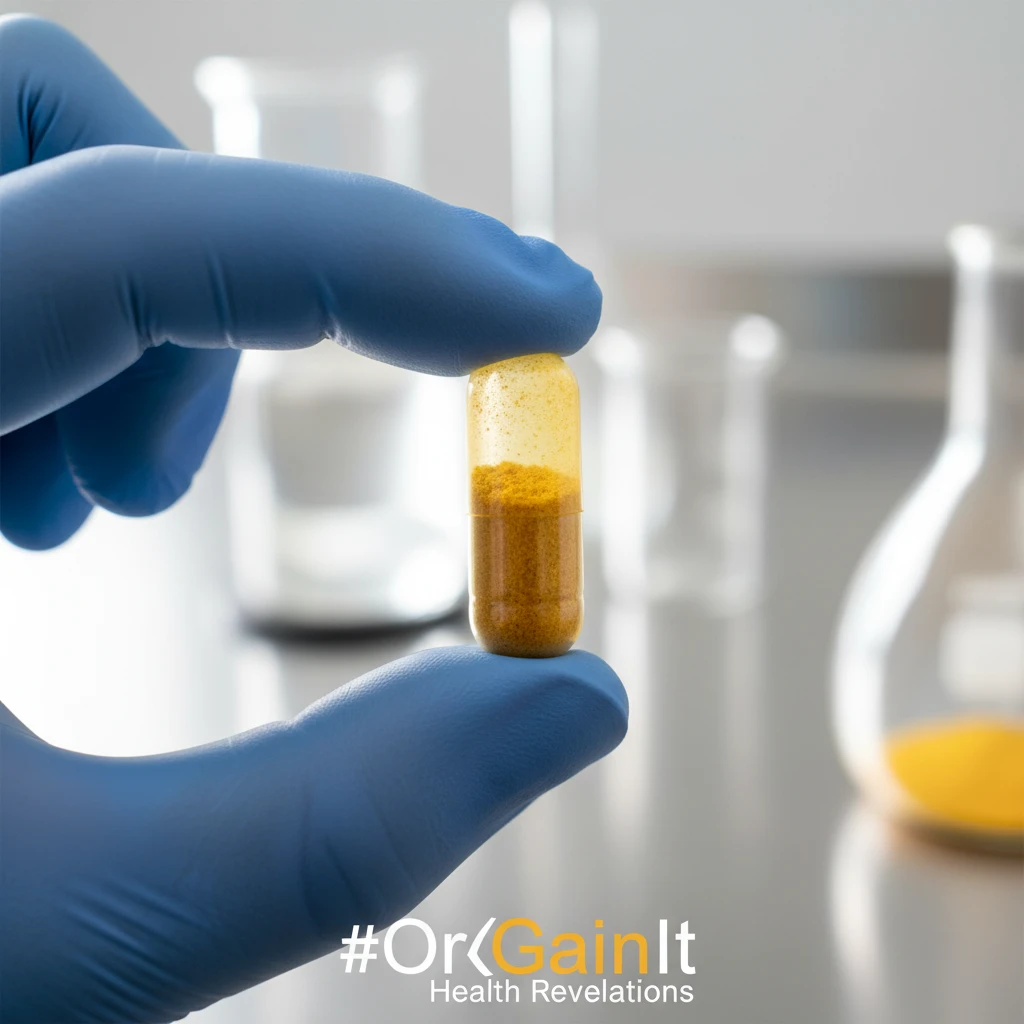
Third-party testing from ISO 17025-accredited labs is non-negotiable for turmeric supplement safety.
Our verified recommendations have been personally evaluated against our Testing Protocol, which requires:
- Confirmed patented formulation ingredient with licensing verification
- Third-party testing from an accredited lab
- Heavy metals panel within safe limits
- Transparent label with curcuminoid content stated
- GMP-certified manufacturing facility with named certifying body
- Reasonable and consistent pricing with the ingredient cost
See Our Verified Turmeric Supplement Recommendations →
We’ve also curated a list of trusted options on Benable for those who prefer to browse: Best Curcumin Supplements for Inflammation in 2026
If you want to understand the science behind what curcumin can do for inflammation — and what the research actually says versus what supplement marketing claims — read: Turmeric for Inflammation
Frequently Asked Questions
1. Is it safe to buy turmeric supplements from AliExpress?
Based on the current evidence, we do not recommend it. AliExpress operates outside FDA regulatory oversight for dietary supplements, imposes no GMP requirements on sellers, and does not require Certificates of Analysis. The supply chains for turmeric originating in South Asia have well-documented lead chromate adulteration problems [Source: PMID 28358991, PMID 25214856], and sellers on AliExpress frequently claim patented formulations (C3 Complex®, BCM-95®, Longvida®) without holding the required trademark licensing agreements. Until you can independently verify lab testing results from an ISO 17025-accredited laboratory with a full heavy metals panel, the safety risk is unacceptable.
2. How do I know if a turmeric supplement on AliExpress is real C3 Complex or BCM-95?
The only way to verify a patented formulation is to (a) confirm the seller holds a valid trademark license agreement with Sabinsa (C3 Complex) or Arjuna Natural (BCM-95), (b) request a batch-specific COA from an ISO 17025-accredited lab, and (c) for BCM-95, confirm the COA shows both curcuminoid content AND ar-turmerone (the essential oil fraction). You can contact Sabinsa at curcuminoids.com and Arjuna Natural directly to check whether a specific brand is an authorized licensee. Most AliExpress sellers will fail these checks.
3. What is lead chromate and why is it found in turmeric?
Lead chromate (PbCrO4) is a bright yellow industrial pigment added to raw turmeric during post-harvest processing to intensify its color and conceal pest damage. It is visually indistinguishable from natural turmeric pigment. Research has found lead in all 32 turmeric samples tested from US grocery stores (median 0.11 ppm, range up to 99.50 ppm), with lead bioaccessibility averaging 70% [Source: PMID 28358991]. Lead chromate adulteration has been documented in turmeric from India, Bangladesh, Pakistan, Sri Lanka, and Nepal [Source: PMID 25214856, PMID 39053552].
4. What is synthetic curcumin and how is it different from natural curcumin?
Synthetic curcumin is chemically identical to natural curcumin but is manufactured from petroleum-derived starting materials rather than extracted from turmeric plants. It is significantly cheaper to produce. Standard HPLC testing — the most common method used in COAs — cannot distinguish synthetic from natural curcumin. Only Carbon-14 (C14) testing via Accelerator Mass Spectrometry can detect synthetic curcumin, because petrochemical-derived molecules contain no Carbon-14. Sabinsa implemented mandatory C14 testing for all C3 Complex lots in 2015 specifically because synthetic curcumin adulteration is a known industry problem [Source: nutraingredients.com].
5. Can turmeric supplements damage my liver?
Liver injury from turmeric supplements is rare but documented. France and Italy reported 120 adverse events between 2009 and 2021, including 40+ cases of hepatitis and 4 life-threatening cases. Australia’s TGA documented 18 cases with 1 death. The US Drug-Induced Liver Injury Network recorded 10 turmeric-associated DILI cases between 2004 and 2022. The US Pharmacopeia now recommends adding a liver injury warning to all turmeric supplement monographs [Source: PMID 42364655]. High-bioavailability formulations — particularly those containing piperine — are associated with higher rates of liver injury reports. Consult your doctor before use if you have any history of liver disease, or if you take medications metabolized by the liver.
6. What dose of curcumin should I take?
The appropriate dose depends entirely on the formulation. Standard curcumin (poor bioavailability) has been studied at 500 mg to 12 g/day, with typical commercial supplements in the 500–1,500 mg/day range for C3 Complex-type products. BCM-95 clinical trials have used 500–1,000 mg/day. Longvida, because of its dramatically enhanced bioavailability, is effective at 80–400 mg/day Source: PMC10061533]. Taking a very high dose of a highly bioavailable formulation — especially without medical supervision — is not “more effective.” It increases the risk of side effects including potential liver stress. For a detailed breakdown, see our [Side Effects of Turmeric guide and consult your healthcare provider.
7. What third-party certifications should I look for on a turmeric supplement?
The most credible and verifiable third-party testing certifications are: NSF International (requires facility inspection and batch testing), USP Verified (tests for identity, potency, purity, and manufacturing quality), Informed Sport (anti-doping focused; tests for banned substances and contaminants), and ConsumerLab (independent consumer testing organization). Each of these has a publicly searchable database where you can verify a specific product’s certification status. “Tested by a third-party lab” without a named, verifiable organization means nothing.
8. Why are AliExpress turmeric supplements so much cheaper than US brands?
The price difference reflects several factors: lower (or non-existent) testing costs, no GMP certification overhead, no trademark licensing fees for genuine patented ingredients, lower labor and manufacturing costs, and — in many cases — cheaper or adulterated raw materials. Genuine Curcumin C3 Complex® bulk ingredient costs Sabinsa’s licensed brands a meaningful amount per kilogram even at manufacturer pricing. When an AliExpress product prices out dramatically below what the ingredient alone would cost, the economics only work if the product doesn’t contain what it claims.
9. Is turmeric powder safer than curcumin extract when buying online?
Not necessarily, and potentially less so. Raw turmeric powder carries the highest lead chromate contamination risk because it includes the bulk spice material where adulteration occurs. Concentrated curcumin extracts go through purification processes that may reduce lead content — but only if those extraction processes are validated and the final product is tested with a heavy metals panel. Without a COA confirming heavy metals levels, neither form can be assumed safe from an unknown AliExpress supplier.
10. What should I do if I’ve already purchased turmeric supplements from AliExpress?
If you’ve already purchased and are concerned about quality, the most responsible steps are: (1) Stop taking the product while you investigate. (2) Request a COA from the seller with a full heavy metals panel — if they can’t or won’t provide one, that’s informative. (3) Consider having the product independently tested if it’s a significant concern — services like ConsumerLab or private labs offer consumer testing. (4) Consult your doctor, especially if you’ve been taking the product regularly for weeks or months. If you experience symptoms such as nausea, fatigue, yellowing of skin or eyes, or dark urine, seek medical attention promptly and mention your supplement use.
About the Author
 Robert Lees is the founder of BestOnlineTurmericSupplementReviews.com, which he established in 2017 after his personal experience with ankle injury recovery led him to seriously research curcumin’s anti-inflammatory potential — and to discover just how wide the gap is between marketing claims and verified science.
Over nine years, Rob has personally evaluated more than 50 turmeric and curcumin formulations against a rigorous Testing Protocol that includes formulation verification, label accuracy checking, COA review, and third-party testing confirmation. He has built direct relationships with ingredient suppliers including Sabinsa, Arjuna Natural, and Verdure Sciences, and has followed the contamination and adulteration science in peer-reviewed literature since before it became a mainstream topic.
Rob’s founding principle: supplement reviews should be based on verifiable evidence, not affiliate incentive. His own experience with an imported turmeric product that failed quality testing — before he built the framework he uses today — is why he is particularly rigorous about supply chain verification and why he refuses to recommend products he cannot independently substantiate.
When he’s not reviewing supplements, Rob follows the primary research on curcumin bioavailability and safety, tracks regulatory actions from the FDA, TGA, ANSES, and USP, and maintains the site’s internal link architecture so that every guide connects to every other relevant resource.
→ Read more about Rob’s background and this site’s mission
Experience: 9+ years | Supplements personally evaluated: 50+ | Site founded: 2017
Related Articles
Explore more of our evidence-based guides:
- What Is C3 Complex Curcumin? The Complete Guide
- What Is BCM-95 Curcumin? Formulation, Research & Verification
- What Is Longvida Curcumin? SLCP Technology Explained
- Turmeric C3 Complex Supplement Reviews (Tested & Ranked)
- BCM-95 Curcumin Supplement Reviews
- Nootropics Depot Longvida Review
- Factors to Consider When Selecting a Turmeric Supplement
- Side Effects of Turmeric: What the Research Actually Says
- Turmeric for Inflammation: Evidence-Based Guide
- Our Testing Protocol: How We Review Turmeric Supplements
- All Turmeric Supplement Reviews
- About Rob Lees
Last updated: August 2026. Sources reviewed and verified at time of publication. This article will be updated when supplier outreach results are received and independently verified.