
What Is Turmeric C3 Complex? Benefits, Research & How It Works (2026)
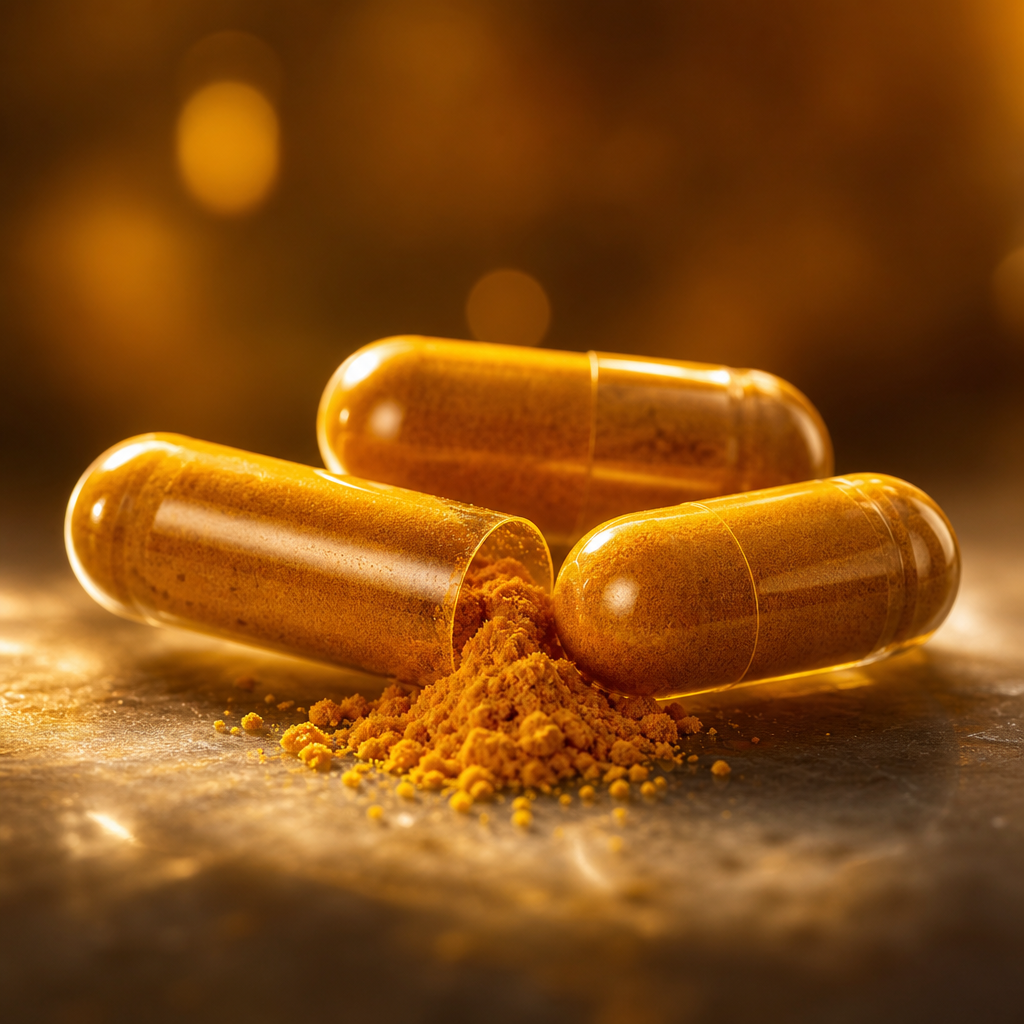
If you’ve spent any time researching turmeric supplements, you’ve almost certainly encountered the phrase “Curcumin C3 Complex.” It appears on labels from budget Amazon sellers and premium sports nutrition brands alike. But what actually is it — and does the label mean what you think it means?
The short answer: C3 Complex® is not a generic marketing term. It is a specific, patented, clinically studied ingredient developed by Sabinsa Corporation in 1995. Understanding what that means — and what it doesn’t — is the foundation of making a genuinely informed decision about curcumin supplementation.
I’m Robert Lees, and I’ve spent seven years studying this formulation. This is the authoritative guide to everything C3 Complex® — the science, the history, the clinical evidence, and where it sits against the other major curcumin delivery technologies available in 2026.
9+ years researching curcumin formulations. Personal experience using C3 Complex-based products for chronic inflammation management. All PMIDs cited are verified. How I evaluate supplements →
What Is Turmeric C3 Complex? The Definition That Actually Matters
Most turmeric labels say “standardized to 95% curcuminoids.” C3 Complex® says something more specific: it standardises the ratio of three distinct curcuminoid compounds — not just the total percentage. That distinction is patented, and it’s the core of what separates C3 Complex from generic 95% extracts.
To understand why that matters, you need to understand what’s actually inside turmeric rhizome.
The Three Curcuminoids — What C3 Actually Stands For
Turmeric root naturally contains a family of yellow pigment compounds called curcuminoids. Three of them are pharmacologically active:
The primary active compound. Inhibits NF-κB — the molecular switch driving the inflammatory cascade. Most-studied curcuminoid in human trials.
Similar anti-inflammatory activity to curcumin. More chemically stable in alkaline environments — may be more active in gut conditions where curcumin degrades.
The least-studied of the three, but part of the natural “pharmaco-crystal” complex Sabinsa argues is essential for the full physiological activity of the formula.
Generic “95% curcuminoids” extracts achieve standardisation by concentrating the total curcuminoid content — but they don’t necessarily preserve all three compounds at a consistent ratio. A manufacturer could have 93% curcumin and 2% of the others and still label it “95% curcuminoids.” Sabinsa’s C3 Complex® patent covers the specific, controlled three-curcuminoid ratio above. That’s a meaningful difference in terms of reproducible clinical results.
The History: Why C3 Complex® Is the OG Curcumin Formula
Sabinsa Corporation, founded by Dr. Muhammed Majeed, developed and patented Curcumin C3 Complex® in 1995 — making it the world’s first commercially patented curcuminoid extract. At the time, the supplement industry was using turmeric powder with no standardisation, variable potency, and essentially no bioavailability data.
C3 Complex® changed the category. It introduced the concept of standardised curcuminoid ratios to the supplement market and was one of the first ingredients described — in a 1995 paper — as a “bioprotectant”: a compound with broad protective activity across multiple physiological systems simultaneously.
In the three decades since, C3 Complex® has become the most widely-cited curcumin ingredient in published clinical research. When you see a turmeric supplement study referencing “standardised curcumin extract,” there’s a high probability it used C3 Complex. This is why it’s the reference standard: not because it’s the most bioavailable formulation today (it isn’t), but because it has the deepest clinical evidence base of any single curcumin ingredient.
The Bioavailability Problem — and How BioPerine® Addresses It
Here’s the fundamental challenge with all curcumin supplementation: standard curcumin has approximately 1–3% oral bioavailability. Your gut and liver rapidly metabolise and excrete it before it can reach meaningful concentrations in the bloodstream. C3 Complex® on its own has the same limitation.
This is where BioPerine® enters. Also developed by Sabinsa, BioPerine® is a black pepper fruit extract standardised to 95% piperine. The landmark 1998 study by Shoba G et al. found that 20mg of piperine co-administered with 2g of curcumin increased curcumin AUC (area under the curve, the measure of systemic exposure) by up to 2000% — approximately 20 times more than baseline (Planta Med. 1998;64(4):353–6. PMID 9619120).
The mechanism: piperine inhibits glucuronidation — the metabolic process in the gut wall and liver that normally breaks down curcumin before it reaches circulation. By temporarily slowing that clearance, piperine allows significantly more curcumin to enter systemic circulation intact.
Piperine inhibits the same enzyme pathways (CYP3A4, P-glycoprotein) that metabolise many prescription medications — including blood thinners, diabetes drugs, statins, and some antibiotics. If you take any prescription medication, speak to your doctor before starting any C3 Complex + BioPerine supplement. See our full guide on curcumin safety and drug interactions →
What the Human Research Actually Shows
C3 Complex® has been the subject of clinical trials across a range of health conditions. Here are the studies most directly relevant to how most people use it:
Inflammatory Cytokines and Metabolic Syndrome
A randomised controlled trial by Panahi Y et al. (2016) enrolled patients with metabolic syndrome and administered 1g/day of curcumin (as C3 Complex) for 8 weeks. Results showed significantly greater reductions in serum concentrations of proinflammatory cytokines — TNF-α, IL-6, and IL-8 — in the curcumin group vs placebo (Biomed Pharmacother. 2016;82:578–82. PMID 27470399). This is one of the most directly applicable human studies for the inflammation and joint use case.
Skin Inflammatory Conditions
A phase II clinical trial by Kurd SK et al. administered 4.5g/day of oral Curcuminoid C3 Complex® to patients with moderate-to-severe plaque psoriasis. While response rates were modest, there were no study-related adverse events necessitating withdrawal — an important safety signal for high-dose use (J Am Acad Dermatol. 2008;58(4):625–31. PMID 18249471).
Triglycerides and Metabolic Health
Health Canada has approved specific health claims for the C3 Complex® + BioPerine® combination: “supports healthy serum triglyceride levels” and “provides antioxidant” activity. These claims are grounded in a placebo-controlled, randomised double-blind crossover clinical study demonstrating significant reduction in serum triglyceride concentrations in obese subjects at 500mg C3 Complex + 5mg BioPerine twice daily — a strong regulatory validation for a supplement formulation.
Important context: the evidence base is meaningful and specific to C3 Complex. It is not, however, evidence that C3 Complex cures any disease. The effects documented are on inflammatory markers, metabolic indicators, and oxidative stress — not disease endpoints. The supplement industry’s tendency to translate “reduced TNF-α” into “cures arthritis” is a bridge too far. We don’t build those bridges here. For broader context on turmeric’s role in inflammation management, see our dedicated guide.
C3 Complex® vs Other Major Curcumin Formulations
C3 Complex® is the most clinically studied curcumin ingredient, but it’s not the most bioavailable. Here’s how it sits against the other major patented formulations we cover on this site:
| Formulation | Developer | Technology | Bioavailability | Piperine | Best For |
|---|---|---|---|---|---|
| C3 Complex® ← You are here | Sabinsa | 3-curcuminoid ratio | ~20× (with BioPerine) | ✅ With | Deepest evidence base, daily support |
| CurcuWin® | OmniActive | OmniSome emulsion | 46× | ❌ Free | Max bioavailability, medication-safe |
| Meriva® | Indena | Phytosome | ~29× | ❌ Free | Joints, 30+ human trials |
| Longvida® | Verdure/UCLA | SLCP™ | 65× | ❌ Free | Brain health, BBB-crossing |
| BCM-95® | Dolcas | + Turmerones | 7× | ❌ Free | Research-focused, piperine-free |
The takeaway: C3 Complex® has the most published human research. If you’re looking for maximum bioavailability without piperine, other formulations perform better by the numbers. For the formulation-aware buyer who prioritises the depth of the evidence base — and accepts the piperine considerations — C3 Complex + BioPerine is a well-validated choice. See our guide on how to choose a turmeric supplement for a full decision framework.
C3 Complex® vs C3 Reduct® — Sabinsa’s Two Curcumin Families
You may have seen “C3 Reduct” mentioned alongside C3 Complex in Sabinsa’s portfolio — particularly since they began showcasing both together at Natural Products Expo West 2026. These are not the same ingredient and serve different purposes:
- Three natural curcuminoids (yellow)
- Anti-inflammatory via NF-κB inhibition
- Patented since 1995
- 50+ clinical trials
- Paired with BioPerine® for absorption
- Best for: inflammation, joints, metabolic
- Tetrahydrocurcuminoids (white/colourless)
- Antioxidant via electron donation
- GRAS status, EFSA-approved
- Metabolically active form of curcumin
- No piperine required
- Best for: anti-aging, skin, metabolic
Think of it this way: C3 Complex® is the source; C3 Reduct® is what your body converts some of it into. Taking C3 Reduct directly bypasses the conversion step entirely. Read our full C3 Reduct guide →
Who Should Consider C3 Complex?
- People who prioritise clinical evidence depth — no other single curcumin ingredient has more human trial citations
- Adults managing low-grade inflammation — the metabolic syndrome cytokines trial (PMID 27470399) is directly applicable to this group
- Active adults and athletes looking for daily anti-inflammatory support without complex stacking protocols
- Those starting their curcumin journey — C3 Complex + BioPerine is the straightforward, proven entry point; no advanced delivery tech required
- Formulation-aware buyers who specifically want to know which curcumin source is in their supplement and be able to trace the evidence to it
Who Should Be Cautious
- Anyone on prescription medications — especially blood thinners, diabetes drugs, or anything metabolised via CYP3A4. BioPerine’s piperine can significantly alter drug metabolism. This is the most important caveat and applies to virtually all C3 Complex + BioPerine products.
- Those who need maximum bioavailability — if your goal is the highest possible curcumin exposure, CurcuWin® (46×) or Longvida® (65× free curcumin) outperform C3 Complex + BioPerine by a significant margin
- People with gallbladder disease — curcumin stimulates bile secretion and can aggravate gallstones
- Pregnant or breastfeeding women — high-dose curcumin supplementation in pregnancy is not well-studied
Reviewed C3 Complex® Products
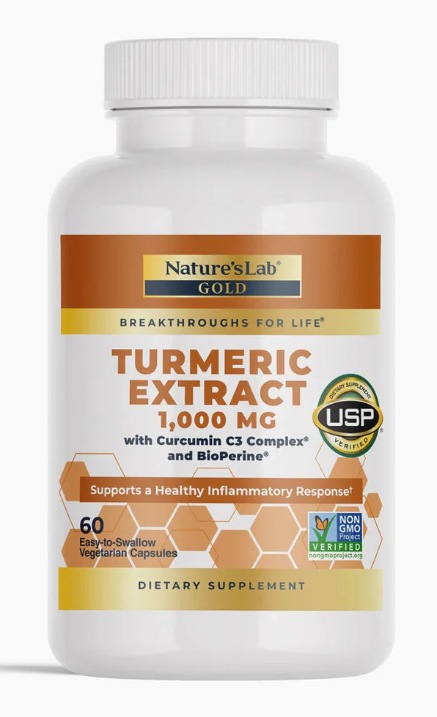
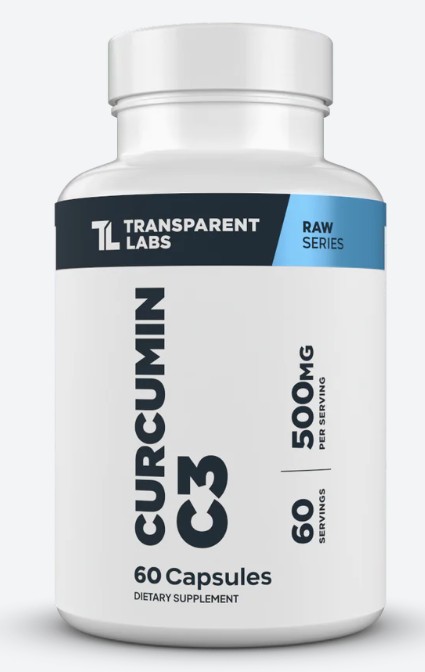
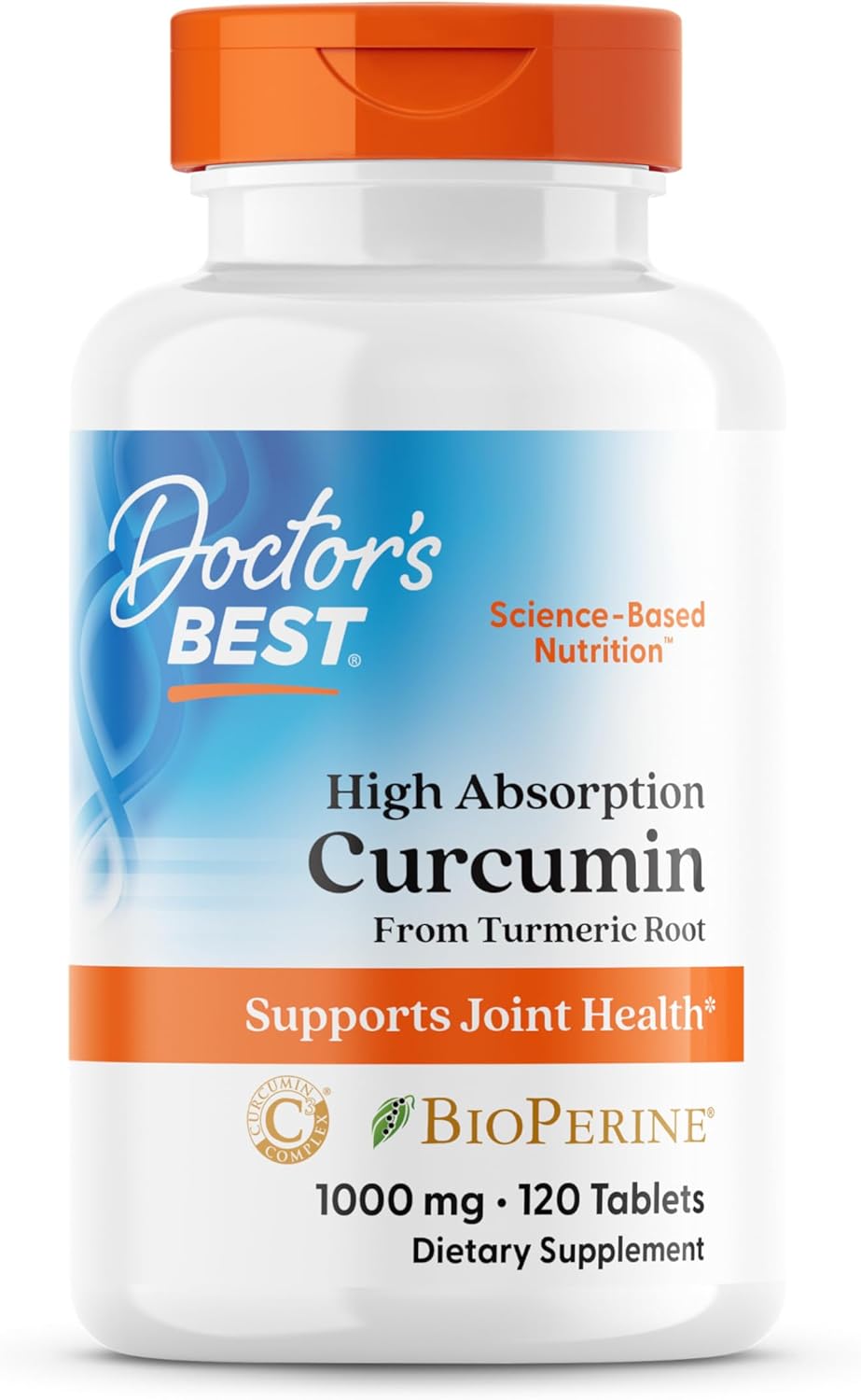
We’ve reviewed all three of the following supplements using Sabinsa’s C3 Complex® formula. Each has been independently scored against our V5 testing protocol across six categories: ingredient quality, bioavailability, dosage accuracy, transparency, value for money, and customer rating. All three use the identical Sabinsa C3 Complex® + BioPerine® formula — the differentiators are brand transparency, price, and product accessibility.
? Save This for Later
Browse Robert’s full curcumin supplement collection — organised by formulation, goal, and budget.
View Full Curcumin Collection on Benable →See also: Best Turmeric C3 Complex Supplements — Buyer’s Guide
See also: Turmeric C3 Complex vs Curcumin — What’s the Difference?
See also: How to Use Turmeric C3 Complex: Dosage Guide
See also: C3 Complex for Inflammation and Joint Comfort
See also: Turmeric C3 Complex Side Effects & Safety
Frequently Asked QuestionsWhat is Turmeric C3 Complex?
What are the benefits of Turmeric C3 Complex?
Is Turmeric C3 Complex the same as curcumin?
How does Turmeric C3 Complex work?
Is C3 Complex better than regular turmeric?
Does C3 Complex need black pepper to work?
Why is Turmeric C3 Complex popular in 2026?
What is the difference between C3 Complex and C3 Reduct?
Related Guides
- Transparent Labs Curcumin C3 Review — 8.7/10
- Nature’s Lab Gold Turmeric Review — 8.6/10 (20% Off)
- Curcumin C3 Reduct® — Sabinsa’s Tetrahydrocurcuminoid Formula
- Turmeric for Inflammation: Full Evidence Guide
- What Is CurcuWin®? Maximum Bioavailability Explained
- Meriva® Phytosome Reviews — Best for Joint Support
- What Is BCM-95®? Piperine-Free Curcumin
- What Is Longvida®? Brain Health and BBB Crossing
- Turmeric vs Curcumin: What’s the Actual Difference?
- Curcumin Safety, Side Effects and Drug Interactions
- Doctor’s Best C3 Complex Review (85/100) — Best Value Pick